Exploring Shared Experiences: Can We Do This with Friends or Other Couples?

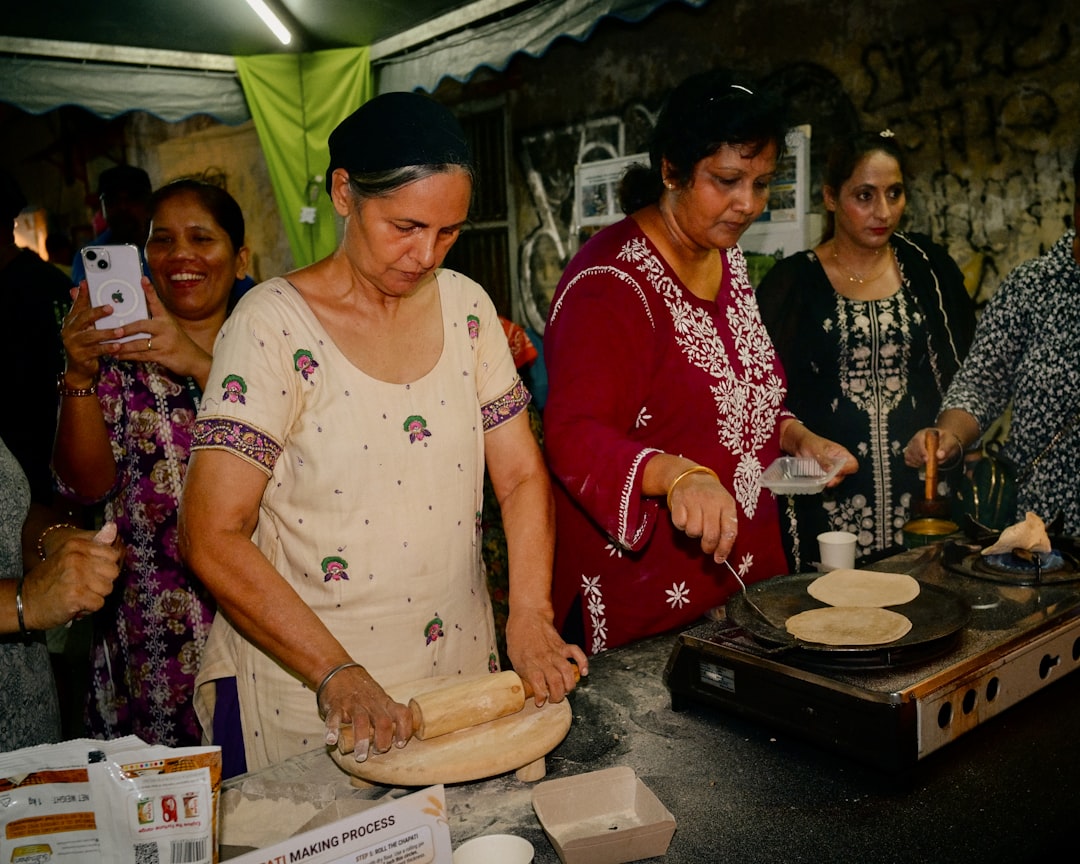
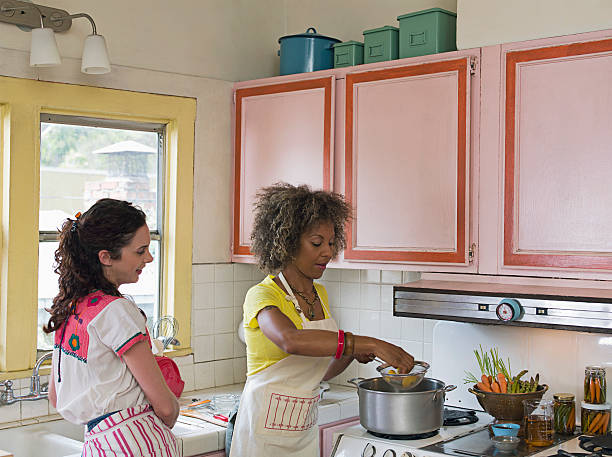
Human beings are inherently social creatures, and many of life’s richest moments are amplified through shared experience. Traveling with another couple can transform a simple vacation into an adventure filled with inside jokes and collective problem-solving. Undertaking a home renovation project with friends can turn a stressful chore into a memorable bonding event. These joint endeavors can strengthen friendships, provide fresh perspectives on our own primary relationships, and create a supportive network that enriches our lives. The camaraderie and mutual support found in such shared pursuits can be profoundly fulfilling, offering a sense of community that individual or strictly paired activities cannot replicate.
However, the success of these ventures hinges entirely on the foundation of clear communication and aligned expectations. The ambiguous “this” in the question is pivotal—is “this” a financial investment, a weekend getaway, or perhaps exploring non-monogamous territory? Each scenario carries its own set of social contracts and potential pitfalls. Venturing into any significant shared activity without explicit, honest conversations about boundaries, financial contributions, and comfort levels is a recipe for misunderstanding and strained relationships. What begins as an exciting idea can quickly unravel if one party envisions a luxury retreat while another anticipates a budget camping trip, or if assumptions about togetherness versus independence clash.
Furthermore, introducing friends or other couples into dynamics typically reserved for a duo requires a careful assessment of the primary relationship’s health. A strong, secure partnership can often welcome outside interactions without threat, finding joy in the new dynamic. In contrast, using shared activities as a distraction from underlying issues within a relationship is a dangerous path. The presence of others can sometimes mask communication breakdowns or unresolved conflicts, providing a temporary salve rather than a cure. It is crucial to enter into group experiences from a place of abundance in the primary relationship, not from a place of lack seeking fulfillment elsewhere.
The potential rewards of successfully navigating shared experiences are significant. They can break the monotony of routine, foster deeper empathy as we see our partners interact in new social contexts, and build a “chosen family” of like-minded individuals. This expanded social web can provide incredible resilience during life’s challenges. Yet, the risks are equally real. Jealousy, mismatched lifestyles, and the inevitable complications of coordinating multiple lives can lead to friction. The dissolution of a shared business venture or a group trip gone wrong can damage, or even end, once-cherished friendships.
Ultimately, whether we can do “this” with others depends less on the activity itself and more on the maturity and transparency of all involved. It requires moving beyond assumption and embracing courageous conversations. It demands a commitment to prioritize people over plans, ensuring that the preservation of the relationship is more important than the execution of the activity. When undertaken with mindfulness, shared experiences with friends and other couples can weave a richer, more colorful tapestry of connection, transforming individual threads into a stronger, more beautiful collective whole. The journey, therefore, is not just about deciding if we can, but thoughtfully determining if we should, and under what conditions the venture will nourish rather than deplete the bonds we hold dear.