Why the Ingredient List is Your Best Friend (and Your Partner’s Too)
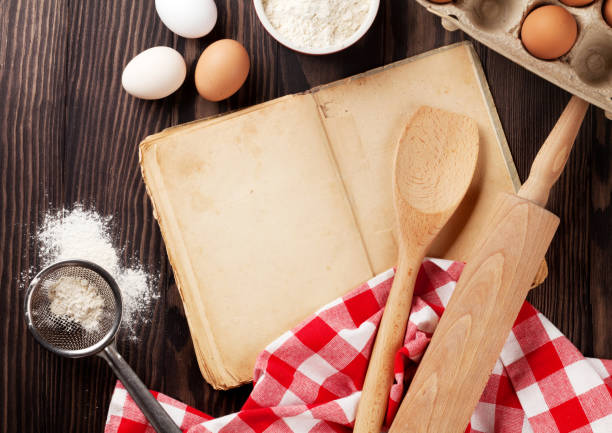
When you read a recipe as a couple, the first rule is to read it all the way through before you touch a single pan. That means both of you sit down together, maybe on the couch or at the kitchen table, and look at every section. You take turns reading out loud. It sounds simple, but it changes everything. When one person reads and the other listens, you catch mistakes you would miss if you each read silently. More importantly, you get on the same page from the very start. You both know that this recipe needs butter at room temperature, not cold from the fridge. You both see that the oven needs to preheat for fifteen minutes. And you both realize that “one clove of garlic” really means “one clove” and not the whole head – unless you want a very garlicky dinner.
The ingredient list is where most couples argue without meaning to. One person thinks they have everything, and the other realizes they are out of something important. That tension kills the fun before you even begin. So here is a trick for reading the ingredient list together. One of you reads each item aloud while the other checks the pantry, fridge, and spice rack. You call out “got it” or “need it.” Keep going until you finish the whole list. If you are missing something, talk about a swap you both like. For example, if the recipe calls for fresh basil and you only have dried, that’s fine. You just use less. The point is to decide together instead of one person making all the calls and the other person feeling left out.
After you know what you have, look at the prep instructions. A lot of recipes will say something like “1 onion, diced” or “2 carrots, peeled and chopped.” These are not cooking steps yet. They are prep work you should do before you turn on the stove. This is where you can split the jobs. One person chops the veggies while the other measures the spices. You can even make it a friendly race – but not a race where someone feels rushed. The goal is to laugh and learn, not to win a prize. If you are both new to chopping, take turns. Let your partner watch you slice an onion, then ask them to try the next one. Being patient with each other builds way more trust than getting the perfect cube shape ever will.
Now here is the part most people skip: read the recipe’s notes or tips at the bottom. Many recipes include little secrets like “don’t overmix the batter” or “let the meat rest five minutes before slicing.” Those tips are gold. If one of you reads that part out loud while the other is busy stirring, you avoid common mistakes that can ruin a meal. And you feel like you are in on a secret together. It is a small thing, but small things add up to a stronger connection.
When you finally start cooking, keep the recipe where both of you can see it. Maybe prop up your phone or tablet against a jar. Or better yet, print it out and tape it to a cabinet door. That way neither of you has to hold it or worry about getting splashes on the screen. As you cook, check off each step out loud. “Okay, I just added the garlic. Now the recipe says cook for one minute. Want me to set a timer?” That back-and-forth chatter is what makes cooking together feel like a partnership instead of a chore.
One last tip about reading recipes as a team. Do not be afraid to mess up. Everyone burns toast, over-salts soup, or forgets to add the eggs. When that happens, do not blame the recipe or blame each other. Just laugh and say, “Well, now we know for next time.” That kind of attitude turns a learning moment into a memory you will smile about. The more you practice reading recipes side by side, the faster you will get. Before long you will not even need to read every word – you will both just know what to do. And that feeling of being in sync, with a yummy meal in front of you and a happy partner beside you, is the whole point.