Why Cooking Your Partner’s Childhood Favorite Can Bring You Closer
When you pick a dish that your partner grew up eating, you are doing more than making dinner. You are saying, “I care about who you were before me.” That is a powerful thing. We all have memories tied to food. The smell of cinnamon might remind your partner of their grandma’s kitchen. The sound of sizzling onions might bring back memories of their mom cooking after a long day. When you choose to recreate that, you are opening a door to their past. And that makes your relationship stronger because it shows you want to know every part of them, not just the person they are today.
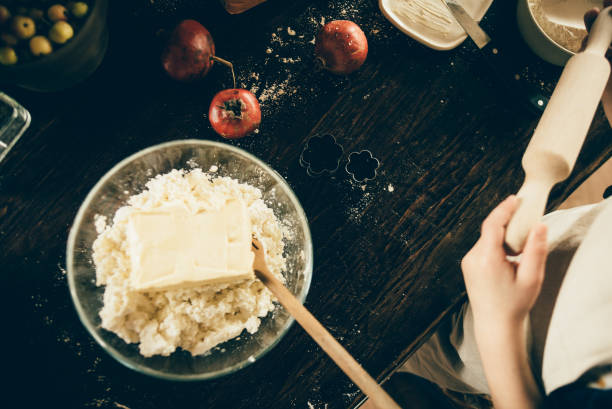
Cooking a childhood favorite also forces you to work as a team. You probably don’t know the secret family recipe by heart. So you have to ask. You have to listen. You might call a parent or a sibling to get the real scoop. That whole process becomes a little adventure you share. Maybe your partner remembers the exact amount of sugar in the cookie dough but can’t remember the oven temperature. You figure it out together. Maybe you burn the first batch. That is okay. Laughing over a burnt pancake is way more romantic than a perfect plate you didn’t make together. The mess is part of the story.
Another cool thing about cooking your partner’s childhood favorite is that it builds trust. If you are the one who usually takes charge in the kitchen, this is a great chance to hand over the reins. Let your partner guide you. Let them show you how they like the potatoes mashed or how to flip the omelet just right. When you let someone teach you something, you are telling them you respect their knowledge and their history. And when your partner sees you trying hard to get it right, even if you mess up, they feel valued. That feeling of being valued is the secret ingredient for emotional intimacy.
This kind of meal also makes for amazing conversation. While you chop onions or stir the sauce, you can ask questions you might never think of otherwise. Why did your partner love this dish so much? Was it a birthday tradition? Did they eat it after soccer games? Did their family fight over the last piece? These little details build a bridge between your lives. You start to understand their family stories, their quirks, and the small things that shaped them. That understanding makes your relationship feel deeper. You become more than just a couple. You become each other’s safe place.
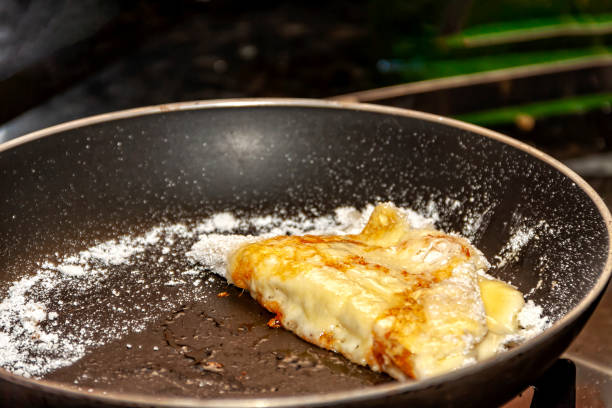
Now, what about the tools and gear? Remember, the main topic is finding the perfect tools and gear, so let’s talk about what you need to make this dish a success. You don’t need a fancy kitchen. You need a few key things that help you both enjoy the process. First, get a sturdy cutting board big enough for two people to work on. That way you can chop together without bumping elbows. Second, use a good nonstick pan if the dish involves eggs, pancakes, or anything sticky. It saves you from frustration and keeps the mood light. Third, have a couple of wooden spoons and silicone spatulas on hand. They are gentle on pans and easy to hold. Lastly, make sure you have a timer. Not because the dish is hard, but because it’s easy to get lost in conversation and forget you have something on the stove. A timer keeps you on track so you can relax and talk.
One more thing. Do not forget to share the story of the dish while you eat it. Sit down at the table, no phones, and let your partner talk about their memories. Ask them what they would change if they could go back to that childhood meal. Ask them what they hope your future kids will remember about your cooking. These questions might seem small, but they weave your present moment into their past and your shared future. That is a beautiful thing.
Cooking a childhood favorite is not about being a perfect chef. It is about being a perfect partner. It says, “You matter. Your story matters. And I want to be part of it.” That is the kind of love you can taste. So next time you are picking a dish to cook together, skip the complicated new recipe and ask your partner what they loved as a kid. Then get in the kitchen, make a mess, laugh, and create a new memory on top of an old one. That is how you build a relationship that lasts.