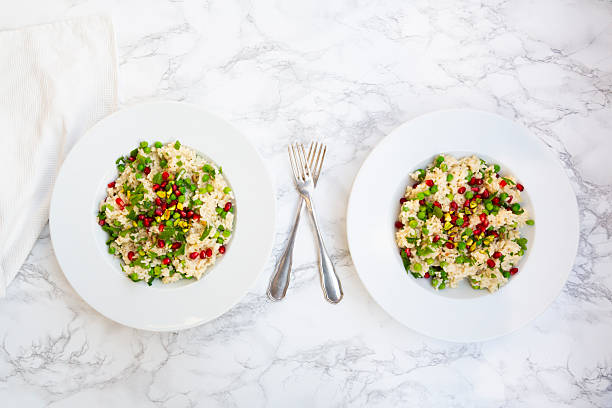
A weekly meal plan does more than save you a trip to the store. When you and your partner make the plan together, it becomes a small healthy habit that helps you talk, share the work, and feel like a team. It also cuts down on the tired question, “What’s for dinner?” That question can start a fight when you are hungry and busy. A simple plan can stop that fight before it starts. The goal is not a perfect menu. The goal is to make your week easier and to practice working together.
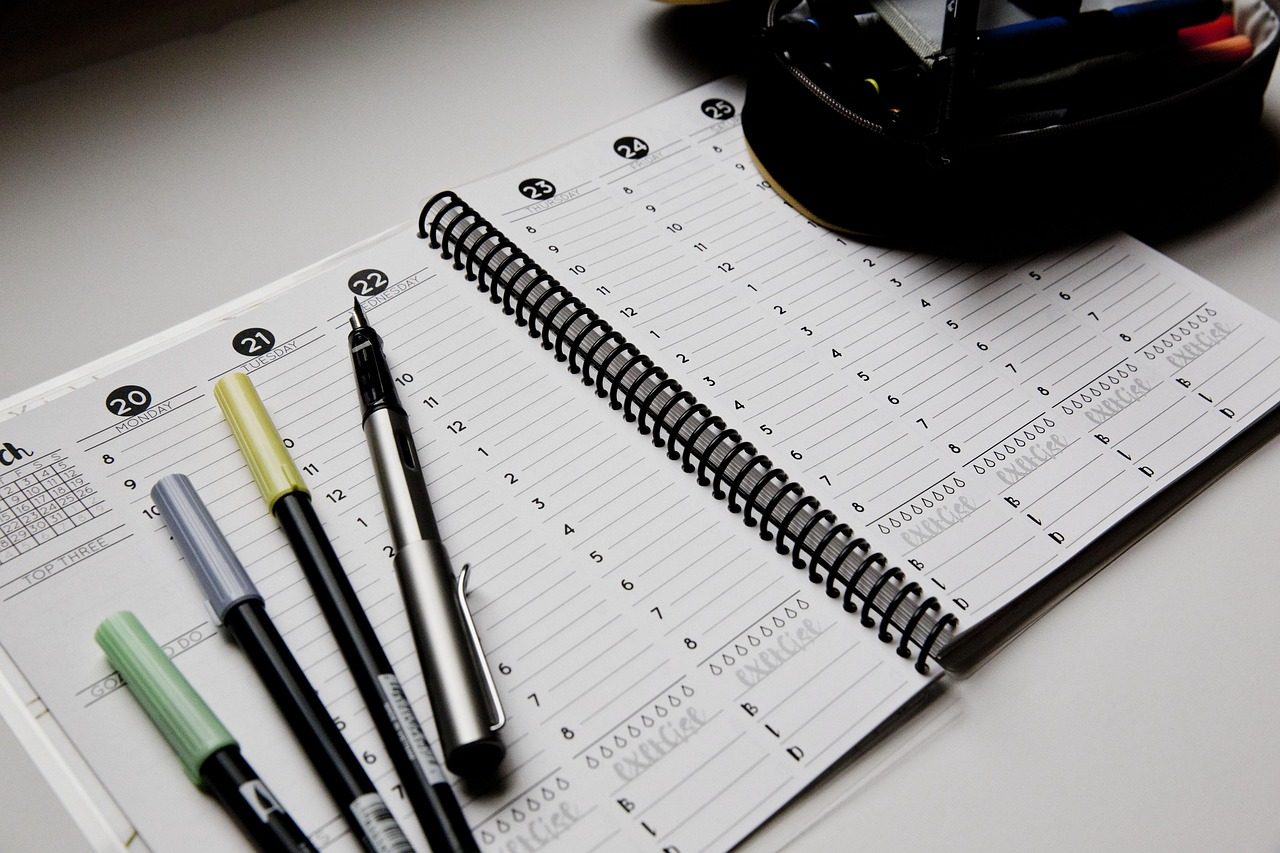
Pick a steady time to plan. It can be Sunday morning, Thursday night, or any time that fits your real life. Put it on your calendar like you would a date. Keep it short. Twenty minutes is enough for most couples. Sit at the table, put your phones away, and bring a snack. You are not holding a big meeting. You are making a simple list so your week runs smoother. If one of you usually cooks more, the other person can take the lead on planning. Then switch roles the next week. Trading jobs helps both of you see how much work goes into meals. It also stops little complaints from growing into big ones.
Start with your actual week. Look at your calendar before you pick meals. Notice late work nights, kids’ activities, time with friends, and nights when you will be too tired to cook. Choose meals that fit those days. If Tuesday is busy, plan a slow cooker meal or leftovers. If Friday is fun night, plan something easy or leave it open. You do not have to plan seven big dinners. Three solid dinners and a couple of backup meals are enough for many couples. Each person can pick one meal they really want. That way both of you feel heard. Add one easy backup meal, like eggs, soup, or pasta with frozen veggies. A backup meal saves you when the day goes sideways.
Make one shared grocery list. Check your fridge, freezer, and pantry first. Use what you already have. Then write down what you need by meal. A small marker board on the fridge or a shared list on your phone can help. So can a simple meal planner pad or a folder for recipes. These tools are helpers, not rules. Shop together when you can, or split the list. Agree on a budget before you go. Stick to the list most of the time, but leave a little room for a good deal. This keeps money stress low and helps you both know what is in the kitchen.
During the week, cook as a team. You do not have to do every step side by side. Divide the jobs. One person can chop while the other stirs. One can set the table while the other cleans up. Play music and talk about your day. Keep meals simple on busy nights. Try one new recipe every other week, not every day. New recipes are fun, but too many can add stress. Use meals you both already like on the nights when you need easy wins. If you try something new and it flops, laugh and make a sandwich. No big deal.
Plan for leftovers and real life. Cook extra rice, roast extra vegetables, or make a double batch of soup. Label leftovers so you know what to eat first. Have a “fend for yourself” night when you need it. That is not a failure. It is part of a plan that works for real people. If your week changes, move a meal to next week instead of throwing out the plan. Keep a short list of meals you both liked. Repeat them. Repeating meals is not boring. It is smart. It saves time and cuts down on decisions.
At the end of the week, take two minutes to check in. Ask what worked and what did not. Maybe chopping took too long on Wednesday. Maybe you need more no-cook lunches. Change one small thing for next week. Small changes stick better than big ones. Celebrate the wins, even small ones. You planned, you shopped, and you ate. That counts. A meal plan is not a test of how good you are. It is a tool that makes room for each other. When you plan as a team, you practice listening, sharing work, and making choices together. Those are the same skills that make a strong relationship. The kitchen can be a calm, happy place where you build them.