Understanding and Managing the Mystery of Food Cravings
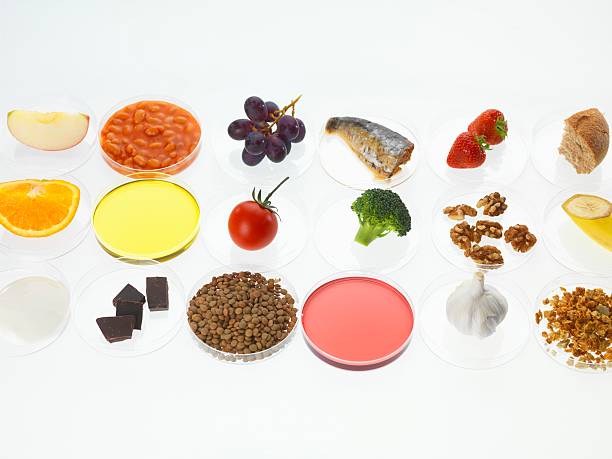
Fundamentally, cravings are messengers, and their nature often provides the first clue. Physiological drivers are powerful. A craving for salty foods can sometimes signal electrolyte imbalance or dehydration, especially after exercise. An intense desire for a juicy steak or a legume might point to an iron or protein deficiency, though modern nutrition science cautions that the body’s signals for specific micronutrients are rarely this precise. More commonly, cravings are tied to blood sugar fluctuations. A diet high in refined carbohydrates can cause rapid spikes and crashes in blood glucose, triggering urgent cravings for quick energy, often in the form of more sugar. This creates a cyclical trap where the craving’s solution perpetuates the problem. Therefore, stabilizing blood sugar through balanced meals with adequate protein, fiber, and healthy fats is a foundational step in dampening these physiological triggers.
However, the story extends far beyond biology into the realm of the mind. The brain’s reward system, centered on neurotransmitters like dopamine, is deeply implicated. Eating highly palatable foods—those rich in sugar, fat, and salt—releases dopamine, creating a feeling of pleasure and reward. Over time, the brain learns to associate certain foods with comfort or celebration. This is why a craving for creamy mashed potatoes may surface on a stressful day, or why the smell of popcorn instantly evokes memories of the cinema. Emotional states like stress, anxiety, boredom, or sadness can powerfully trigger cravings as the brain seeks a familiar chemical solace. Furthermore, environmental cues are relentless triggers; seeing a billboard for pizza, watching a character enjoy a burger in a film, or simply walking past a bakery can implant a specific craving seemingly out of nowhere.
Given this multifaceted origin, effective management demands a multi-pronged and personalized approach. The first, and perhaps most powerful, tool is mindful pause. When a craving strikes, instead of immediately yielding or fighting it, one can simply observe it. Is this hunger from the stomach or a desire from the mind? What emotion is present? This moment of awareness creates space between impulse and action, often revealing the craving to be transient. For physiological cravings, strategic substitution is key. Craving something crunchy and salty might be satisfied with roasted chickpeas instead of potato chips. A chocolate craving could be met with a small square of dark chocolate or even a rich, cocoa-based smoothie, addressing the desire while providing more nutrients.
For emotionally-driven cravings, the strategy shifts to addressing the underlying need. If boredom is the trigger, a short walk or engaging in a hobby may dissipate the craving. If stress is the cause, deep breathing, a few minutes of meditation, or a cup of herbal tea might offer the comfort the brain is seeking. Ultimately, building an overall pattern of nourishing eating, adequate hydration, quality sleep, and stress management builds resilience, making the system less vulnerable to craving hijackings in the first place. Handling totally different food cravings is not a test of discipline but a practice of self-awareness. By learning to decode their unique language—whether they whisper of a physical need, an emotional state, or a conditioned habit—we can respond with wisdom, nourishing our bodies and minds in a truly holistic way.