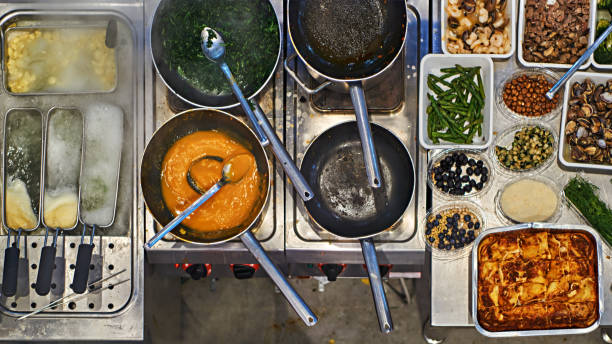
Most couples start out with one big pan. It sounds smart. One pan, one mess, one thing to wash. Then dinner turns into a show with one star and one person watching. Someone stands at the stove, stirring and flipping. The other leans on the counter and asks, “Can I help?“ The answer is usually no. There’s no room. Two hands, one pan. It just doesn’t work.
Here is a simple fix. Buy two medium pans instead of one huge one. This small change turns cooking from a solo job into something you do side by side. Now you both have a handle to hold. One of you can brown the meat while the other cooks the onions. You can talk while you work, because you’re both working. Nobody is standing around waiting.
What size should you get? A 10-inch skillet is a great start. If you cook big meals, add a 12-inch pan for the main dish and keep the 10-inch for sides. A 12-inch pan can hold a whole chicken or a big pile of vegetables. A 10-inch pan is better for two eggs or a small batch of sauce. You don’t need a whole matching set. Two pans that fit your stove and your hands will beat ten cheap pans every time.
Now think about weight. This matters more than most people expect. Pick up the pan in the store. Hold it out in front of you like you’re flipping an egg. If your wrist hurts, it’s too heavy for everyday cooking. Cast iron pans are heavy, but they hold heat better than anything else. They’re great for steaks and cornbread. Nonstick pans are light and easy to move. They’re perfect for eggs, pancakes, and fish.
Think about what you actually cook. Write down your ten favorite meals to make together. If most of them start in a pan on the stove, that tells you a lot. If you roast a lot of vegetables, look for a pan that can go in the oven. An oven-safe pan means one less dish to wash, and one less dish means a happier kitchen.
Handles matter too. Look for a handle that stays cool on the stove and feels good in your grip. A big pan should have a second handle on the other side. That helper handle makes lifting a full pan much easier, and it gives one of you something to grab when the other one is stirring.
Here’s a tip that surprises a lot of couples. You don’t need high heat for most meals. Medium heat is enough for eggs, onions, and chicken. High heat burns butter and wrecks nonstick coatings. Medium heat also gives you time to talk. When food cooks slower, you’re not racing. You’re just standing there together.
Cleanup is part of the night, not separate from it. One of you washes, the other dries. This works best when the pan is easy to clean. Nonstick pans wipe out fast. Cast iron just needs a rinse and a quick wipe with oil. Stainless steel needs a little scrubbing, but it can take a beating and last for years. Pick pans you won’t dread washing, because a greasy, stubborn pan can turn a good night sour in a hurry.
One more thing. Keep your pans where you can reach them. If the pan lives in a cabinet behind three other things, you’ll skip cooking together and order food instead. Hang them, stack them neatly, or give them their own shelf. Easy reach means easy starts.
You can spend a lot of money on cookware, but you don’t have to. One good nonstick skillet and one good cast iron or stainless pan will cover almost everything a couple cooks at home. Add a larger pan later if you need it.
The pan is not really the point. The point is that you’re both in the kitchen, both busy, both part of dinner. A pan that fits your hand and your habits makes that easier. So go to the store together. Hold a few pans. Pick the ones that feel right for both of you. Then go home and cook something.