The Two-Player System: Setting Up Your Small Kitchen for Teamwork
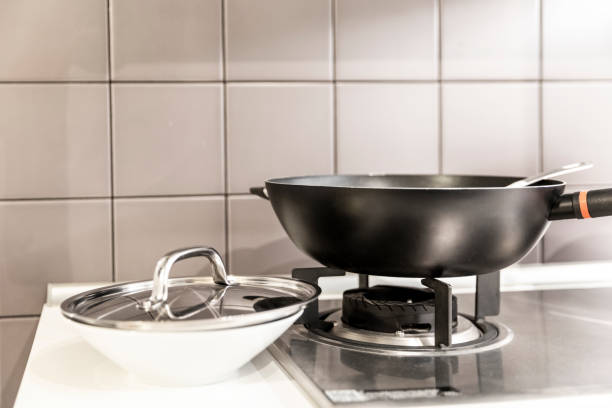
Start by picking your zones. In a small kitchen, you can’t have everything everywhere. Decide together which side of the stove is the “prep side” and which is the “cooking side.” Maybe one of you chops veggies while the other stirs the pot. That means the cutting board, knives, and mixing bowls should live near the prep zone. The pots, pans, and spoons need to be close to the stove. If you put the big skillet in a cabinet all the way on the other side of the kitchen, one of you will have to squeeze behind the other every time you need it. That gets old fast. So sit down, look at your kitchen layout, and agree on where each job happens. It’s a simple conversation, but it makes a huge difference.
Now think about storage. The number one mistake couples make in a small kitchen is keeping stuff they never use. That bread machine from your aunt? Unless you make bread every weekend, give it away. Those fancy wine glasses that are too tall for the cabinet? Donate them. Every inch counts. When you clear out the clutter, you make room for the tools you actually use together. Keep only the things that help you cook as a pair. That means having two good chef’s knives instead of a giant block full of dull blades. It means keeping one large cutting board that can handle a whole chicken or a pile of vegetables, not three tiny ones that slide around. Pick items that serve both of you, not just one person’s hobby.
One of the best upgrades for a small kitchen is a magnetic knife strip. Instead of taking up drawer space with a knife block, mount a strip on the wall near your prep zone. Now both of you can grab a knife without opening a drawer or searching through a pile of other gadgets. It also keeps the knives visible, which means you’re more likely to use them and keep them sharp. Same idea for a hanging pot rack. If you have low ceilings, a small rack above the island or stove can free up whole cabinets. Just make sure you hang the pots you reach for most often. The heavy Dutch oven can stay in a lower cabinet if you only use it once a month.
Another trick is to use clear containers for dry goods like flour, sugar, pasta, and rice. When you and your partner can see what you have, you won’t buy duplicates or waste time searching. Stacking square containers work best because they fit together like puzzle pieces. Put them on a lazy Susan in a corner cabinet so you can spin them around. That simple thing saved my kitchen from chaos. Now when one of us calls out “do we have any lentils?” the other just spins the shelf and answers in two seconds. It’s a small win, but small wins add up to a better cooking experience.
Don’t forget about your counter space. In a small kitchen, the counter is prime real estate. Keep it clear of things you don’t use every day. A toaster, a coffee maker, maybe a fruit bowl. That’s it. Everything else should go in a cabinet or drawer. If you have a stand mixer, keep it on a rolling cart that you can tuck into a corner when you’re done. That way you both have room to spread out. When you’re cooking together, you need space to set down ingredients, rest a spoon, or pass a bowl. If the counter is covered with random jars and decorations, you’ll feel cramped and frustrated. Clear it off, and you’ll naturally feel more relaxed.
Finally, set up a little system for cleaning as you go. Keep a small dish bin next to the sink for dirty utensils. Have a towel rack within reach of both the prep zone and the stove. When one of you finishes a task, that person can wipe down the area while the other keeps cooking. It’s not romantic to wash a pan mid-dinner, but it beats standing over a pile of dishes after you eat. And doing it together, even just handing each other a clean spoon or drying a bowl, builds teamwork. You’re not just making dinner. You’re learning to share space and handle little tasks side by side.
Organizing a small kitchen isn’t about being perfect. It’s about setting yourselves up to cook together without stress. When your tools are easy to reach and your zones make sense, you can focus on each other instead of fighting with cabinets. So take an afternoon, clear out the clutter, and put things where they help you move as a team. Your cooking will get better, and so will your time together.