The Secret Ingredient: How Cooking Together Strengthens Our Bond
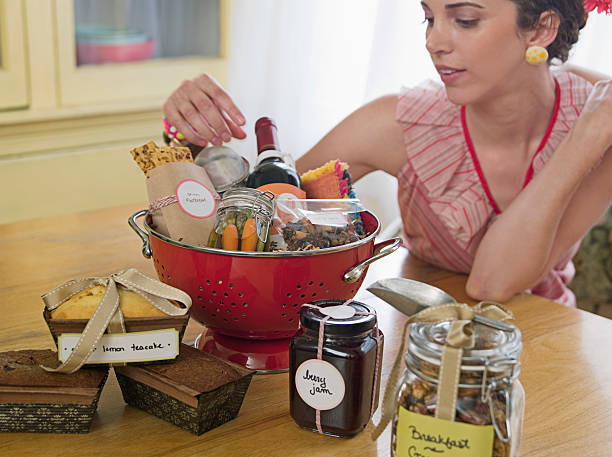
At its core, cooking together is an exercise in non-verbal and practical communication. It requires a subtle, often unspoken, coordination—a dance around the kitchen island where one person reaches for the olive oil just as the other needs it, or instinctively stirs a simmering sauce so the other can focus on seasoning. This synchrony builds a unique form of teamwork and trust. We learn to anticipate each other’s movements and needs, developing a rhythm that speaks to a deeper understanding. There is no room for ego when a recipe is at a crucial stage; success depends on clear, concise communication and a shared goal. Navigating a complex recipe becomes a metaphor for navigating life’s challenges together, practicing patience and offering support when a step goes slightly awry.
This collaborative process also naturally fosters appreciation and breaks down traditional roles. When we cook together, we witness each other’s skills, creativity, and effort firsthand. The act of chopping vegetables, for instance, is no longer an invisible task but a visible contribution. We see the care someone takes in mincing garlic or the artistry in plating a dish. This visibility cultivates gratitude. The meal that follows is not just food on a table; it is a tangible product of combined labor and love. Each bite carries the memory of a joke shared while peeling potatoes or a moment of focused collaboration over a delicate sauce. The resulting nourishment is for both body and spirit.
Furthermore, the kitchen becomes a low-pressure playground for creativity and shared memory-making. Experimenting with a new cuisine or tweaking a family recipe invites playfulness and vulnerability. We are free to make a mess, to taste-test boldly, and to laugh when a culinary experiment doesn’t quite pan out. These moments of lighthearted failure are as bonding as the triumphs. The kitchen fills with stories—recollections of travels inspired by the dish, anecdotes from childhood triggered by a smell, or dreams of future adventures. The sensory nature of cooking—the smells, tastes, and textures—anchors these conversations deeply, creating powerful associative memories. Years later, the scent of rosemary may always bring you back to that Sunday afternoon you made roast chicken together.
Ultimately, cooking together carves out intentional, device-free time in a distracted world. It is a shared project that demands presence. In that space, away from screens and outside pressures, we reconnect. The focus is on the task and each other, allowing for organic conversation to flow more easily than it might over a forced dinner date. It is quality time built into the fabric of daily life, transforming a chore into a cherished ritual. This regular, intentional practice builds a reservoir of positive shared experiences that strengthens the relationship’s foundation.
Therefore, cooking together is far more than meal preparation. It is a microcosm of a healthy partnership—a space to practice teamwork, express creativity, communicate effectively, and build a library of shared joy. It turns sustenance into an act of mutual care, weaving threads of cooperation, appreciation, and memory into the very heart of our connection. The meal we create is satisfying, but the strengthened bond we cultivate in the process is the truly nourishing result.