The Great Bun Debate: Selecting the Perfect Foundation for Your Meal
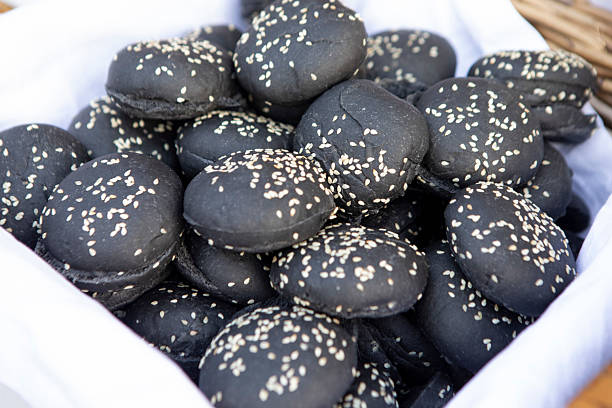
For the classic American hamburger, the spectrum is broad but defined. The soft, slightly sweet brioche bun has gained immense popularity for its rich, buttery flavor and tender crumb, which pairs beautifully with premium beef patties and gourmet toppings. However, its delicacy can sometimes lead to structural failure under the weight of a juicier burger. The traditional sesame seed bun offers a nostalgic flavor and a sturdier, yet still soft, build that can handle classic condiments and a thicker patty. For a truly hearty, backyard-style burger, a robust potato bun is often the unsung hero. Its distinct softness, slight sweetness, and remarkable moisture retention ensure it holds together from first bite to last, never succumbing to sogginess. The choice here balances decadence against durability.
Venturing into the realm of pulled pork or barbecue chicken, the rules shift dramatically. Here, the bun must perform a heroic act of absorption while maintaining its form. A simple, pillowy white bread bun is a traditional and effective choice, offering minimal flavor competition for the smoky, tangy meat. However, a slightly denser, egg-enriched bun can provide a more substantial barrier against the inevitable juices. For a textural contrast, a split-top bun, with its flat, sturdy sides, offers excellent structural integrity and a satisfying pull-apart quality. The key is to avoid anything too crusty or hard, which would fight against the tender, shredded meat rather than complement it.
Ethnic and specialty sandwiches demand buns rooted in tradition, where the bread is an integral part of the dish’s identity. A genuine Vietnamese Bánh Mì requires a light, airy French baguette with a crisp, shattering crust to contrast the pâté, pickled vegetables, and herbs. A lobster roll’s essence is tied to its split-top, buttered and griddled New England-style hot dog bun, whose sides provide a delightful crunch against the cool, creamy salad. The Philly cheesesteak is inextricably linked to the long, soft Amoroso roll, designed to soak up the meat juices and Cheez Whiz without falling apart. In these cases, deviation from the classic bun is not just a substitution; it is a departure from the dish’s very soul.
For the plant-based eater or those seeking lighter fare, the bun itself can become a focal point. Large, crisp leaves of butter lettuce or romaine offer a refreshing, hydrating, and low-carb vessel for burger patties or grilled vegetables. Portobello mushroom caps, when grilled, provide a savory, meaty alternative that adds its own umami flavor. Even thick slices of roasted sweet potato or halloumi cheese can serve as innovative, gluten-free “buns” that contribute significantly to the overall taste profile. These choices reframe the meal, prioritizing freshness and novel textures.
Ultimately, the question of what buns we should use is answered by a series of deeper considerations. We must assess the moisture content and weight of the filling, the desired textural contrast, the importance of cultural fidelity, and the dietary preferences of those we are serving. The ideal bun is a thoughtful partner: it should be substantial enough to contain the contents without being doughy, flavorful enough to be enjoyable but not domineering, and textured appropriately to provide a satisfying chew. It is the silent framework upon which culinary memories are built, proving that in the architecture of a great sandwich, the foundation is everything.