The Cutting Board: Your Foundation for Cooking Together
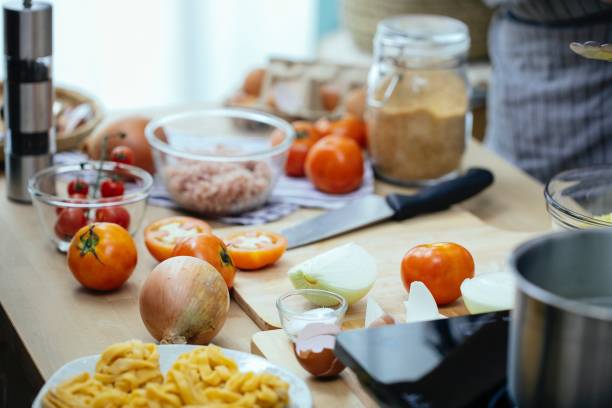
Think about it. When you both stand side by side at the counter, you are sharing that board. You have to decide where your onions go and where your tomatoes go. You have to talk to each other about who is going to cut what. A good cutting board makes that conversation easy. A bad one? It can make you frustrated. If the board slides around every time you chop, one of you might get annoyed. If it is too small, you are constantly bumping elbows. That does not help your relationship. You want a tool that brings you closer, not one that puts you on edge.
So what should you look for in a cutting board for two? First, size matters. You want a board that is big enough for both of you to work on without fighting for space. A board that is about eighteen inches by twenty-four inches is a good starting point. That gives you room for a pile of chopped veggies on one side and a pile of herbs on the other. You can each have your own section without feeling cramped. Imagine you are making a stir-fry. You need to chop carrots, broccoli, and chicken. If your cutting board is too small, you have to keep stopping to move things around. That breaks the flow. But with a big board, you both can work at the same time. One of you can chop the carrots while the other chops the broccoli. Then you swap. It becomes a rhythm, like a dance. That rhythm is what makes cooking together feel fun instead of stressful.
Material is also important. Wood cutting boards are warm and natural. They feel good under your knife. But they need a little more care. You have to oil them every so often to keep them from drying out. That can be a fun task to do together. You can make it a little ritual. Once a month, you both take turns rubbing mineral oil into the board. It is a small act of teamwork that reminds you to take care of your tools and each other. Plastic boards are easier to clean and can go in the dishwasher. That is great if one of you hates doing dishes. But plastic boards can get deep knife marks where bacteria can hide. So you have to replace them more often. Some couples like having both types. A big wooden board for veggie prep and a smaller plastic one for raw meat. That way you keep things clean and organized without a lot of hassle.
Another thing to consider is whether the board has a groove around the edge. That groove catches juices from meat or fruit. If you are prepping a juicy steak or a ripe pineapple, that groove stops the juices from dripping onto the counter. That means less mess and less cleanup. And when there is less mess, there is less stress. You both can stay focused on the fun part – cooking and talking. Plus, a groove makes the board look a little more special. It shows you thought about the details.
Now, here is the really important part. The cutting board is not just a tool. It is a place where you practice sharing. When you chop vegetables together, you learn to communicate. One of you might be faster. That is okay. The slower one can take over the garlic mincing while the other handles the bell peppers. You learn to read each other’s movements. You learn to say “I need a little more room” or “Can you scoot the board my way?“ Those small exchanges build trust. They teach you to work as a real team. When you share a cutting board, you are literally sharing a surface. That closeness matters. It forces you to be aware of each other. You cannot just zone out. You have to pay attention to where your partner’s knife is. That builds a gentle awareness that carries over into the rest of your life together.
After the cooking is done, cleaning the cutting board is another chance to connect. Scrub it together. One of you can hold it steady while the other scrubs. Then dry it and put it away. That little routine makes you feel like a unit. It is not just about the meal. It is about the whole experience of creating something together from start to finish. Even washing a board can be a moment of teamwork. You can joke about the food that got stuck in the grain or the time you accidentally dropped it. Those little memories make your kitchen a happy place.
If you are just starting out as a cooking couple, do not overlook the cutting board. Spend a few minutes picking one that feels right for both of you. Maybe go to a store together and hold different boards. See which one feels good in your hands. Talk about what you like. That conversation alone is a step toward stronger connection. You might discover that one of you prefers a heavier board that stays put, while the other likes a lighter one you can carry to the table. Compromising on that small choice is good practice for bigger things down the road.
So remember, the cutting board is your foundation. It is where every meal begins. And when you choose it together and use it together, you are building something much bigger than dinner. You are building a habit of teamwork that will carry into every part of your relationship. A simple board, but a powerful one.