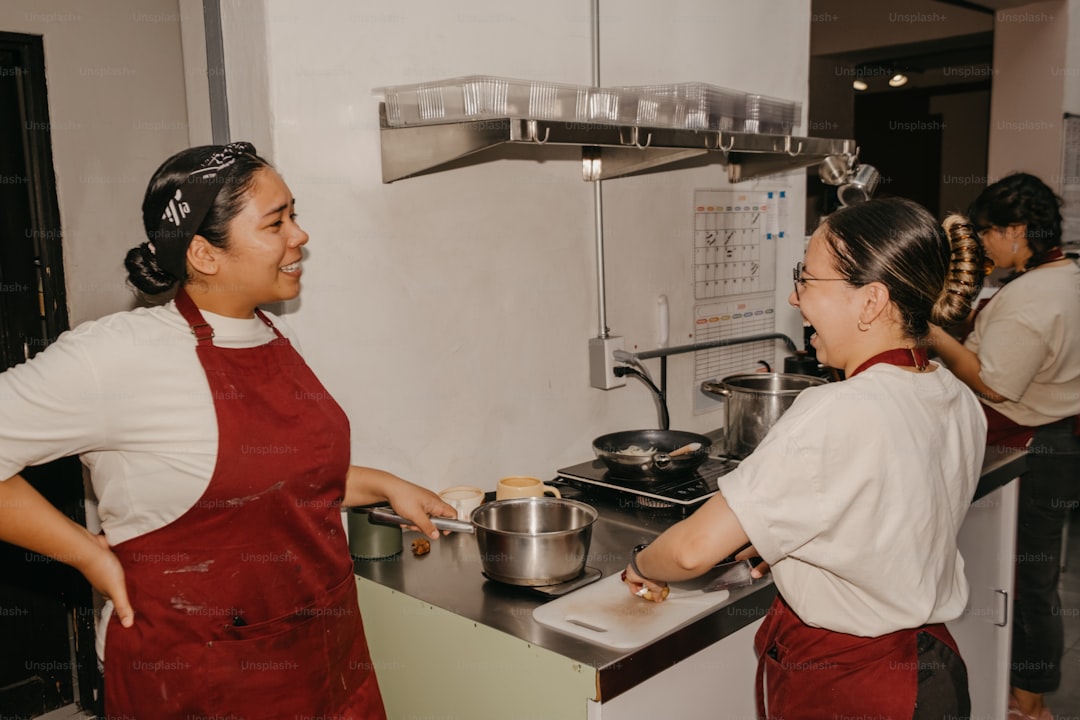
The Art of Culinary Compromise: Choosing Recipes for Shared Enjoyment
At its foundation, successful recipe selection requires open and ongoing dialogue. It begins with moving beyond the superficial “what do you want to eat?“ into a richer conversation about cravings, textures, and memories. One person might yearn for the comforting embrace of a creamy pasta, while the other seeks the bright, clean flavors of a citrus-marinated fish. The goal is not to find a single answer, but to understand the underlying desire. Is it comfort? Adventure? Nostalgia? Perhaps the creamy craving can be satisfied with a rich mushroom risotto, while the desire for brightness is met with a zesty arugula salad on the side. This dialogue also involves acknowledging hard boundaries—be they allergies, deep-seated aversions, or ethical dietary choices—which form the non-negotiable framework within which creativity can flow.
With this understanding, the exploration becomes an exercise in discovery and rotation. The culinary world is wonderfully vast, offering infinite cuisines that can bridge disparate tastes. A love for hearty flavors might find common ground in the complex spices of a Moroccan tagine, satisfying a desire for substance while introducing exciting new aromas. The shared kitchen becomes a laboratory for experimentation, where the agreement is not that every dish will be an instant favorite, but that the attempt itself is valuable. Some nights might honor one partner’s beloved childhood classic, while the next venture into the other’s preferred realm of fiery Szechuan or delicate Vietnamese cuisine. This rotation of “chef’s choice” nights ensures both voices are heard and prevents any one palate from dominating the table.
Practicality, too, plays a crucial and often understated role. The most beautifully conceived recipe will lead to frustration if it ignores the realities of a Tuesday evening after a long workday. Thus, choosing recipes involves a tacit assessment of energy, time, and clean-up. A mutually enjoyable meal on a hectic weekday might be a simple sheet-pan supper of roasted salmon and vegetables, offering health, ease, and minimal dishes. On a leisurely Sunday, that enjoyment might stem from the collaborative, hands-on pleasure of crafting homemade dumplings together, where the process is as much a part of the enjoyment as the final product. Recognizing that enjoyment can stem from simplicity as much as from complexity is key.
Ultimately, the art of choosing recipes together is an exercise in empathy and shared investment. It sometimes involves compromise—perhaps opting for a chicken sausage in a jambalaya instead of spicy andouille, or serving hot sauce on the side rather than in the pot. But the most successful choices are often those that create something new for the pair: a recipe that becomes “ours” rather than “yours” or “mine.“ It might be the perfect fish taco with a special slaw you devised together, or the one-pan Mediterranean chicken that never fails to please. These dishes become culinary landmarks in your shared history. The true measure of success, therefore, is not found in a single perfectly seasoned dish, but in the continued willingness to sit across from one another, to share not just the meal but the consideration behind it, and to find joy in the act of nourishing both the body and the bond.