The ‘You Pick, I Pick’ Three-Course Meal Challenge for Couples
Start by deciding who picks what. Maybe one of you loves starting with something light and crispy, so you call dibs on the appetizer. The other person has been craving a big, hearty main dish for days – that’s theirs. Then for dessert, you both have to agree on something sweet. That’s where the real teamwork kicks in because you might want chocolate while your partner wants fruit, and you have to find a middle ground. That little bit of negotiation is good practice for bigger decisions in life, like where to go on vacation or what color to paint the living room. Except this time the payoff is a bowl of brownie sundaes.
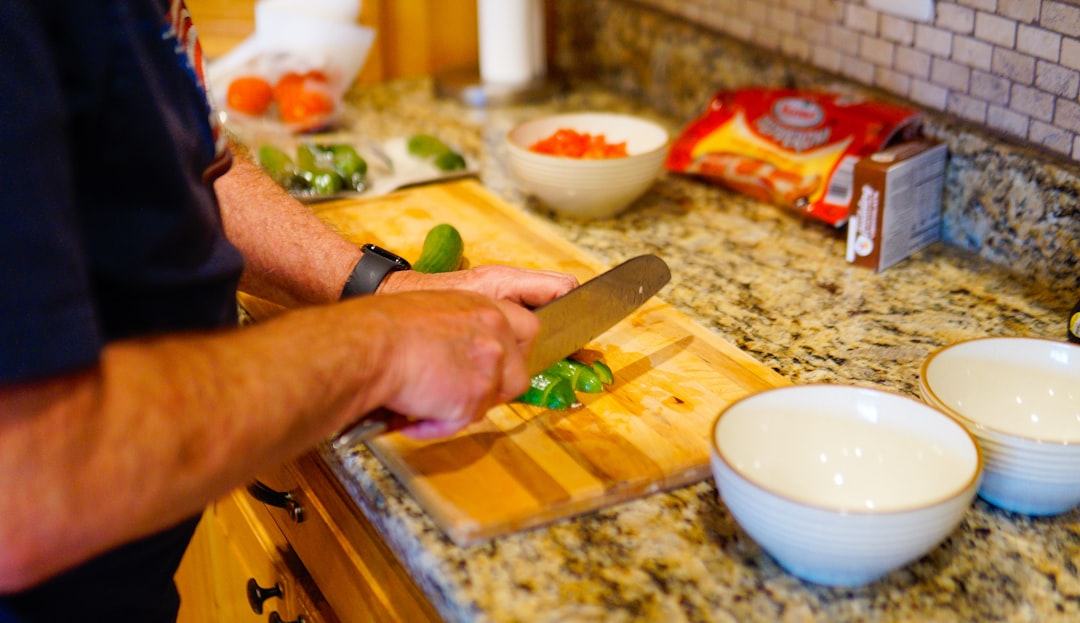
Once you have your courses assigned, it’s time to plan. The person in charge of the appetizer gets to pick the recipe, but the helper can still be useful. Maybe the helper washes dishes, reads the recipe out loud, or does the boring prep work like peeling carrots. The key is that the chooser stays in control of flavor and timing. This builds trust because you have to let your partner take the lead on something. It also keeps things fair – nobody feels like they are doing all the work or being bossed around.
The main course person has a bigger job. A main dish usually takes longer and has more steps. That is totally okay. The helper’s job here is to stay patient and offer encouragement. Maybe you taste the sauce together. Maybe you crack a joke when the meat accidentally falls on the floor. (It happens. Just pick it up, wash it off, and keep going.) This course teaches you how to handle pressure as a team. If the chicken is taking too long, you don’t panic – you adjust. You learn to roll with the punches, which is a skill that helps way beyond the kitchen.
Now the dessert is the fun part because you have to agree on it. Set a timer for five minutes and talk it out. One of you wants something rich, the other wants something light. You can compromise – maybe a light cheesecake with a rich chocolate drizzle. Or you can both pick a third option neither of you thought of, like grilled fruit with a scoop of ice cream. The secret here is that you are practicing listening. You are not just saying “no” to your partner’s idea; you are saying “I hear you, how about we meet in the middle?” That is a huge part of keeping a relationship strong.
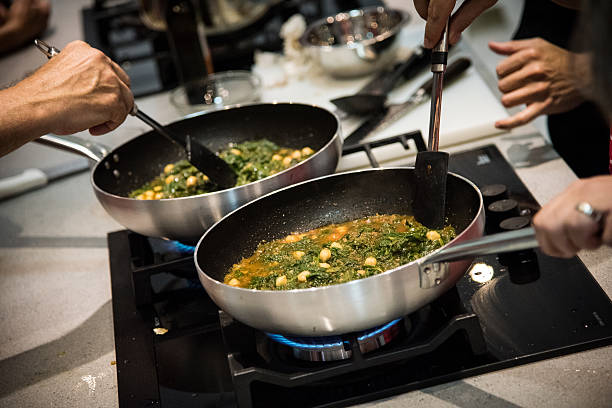
When you actually cook, try to keep things low-stress. Clear the counters first. Put on some music you both like. And most importantly, don’t worry about perfect plating. This is not a cooking show. It is about spending time together, talking while you stir, and maybe sharing a silly taste test. If the appetizer burns a little, that is a story you will laugh about later. If the main dish is a little salty, just call it “rustic.” If the dessert looks like a mess, throw some sprinkles on top. Nobody cares how it looks when you are feeding each other bites and grinning.
After you finish cooking, sit down and eat the three courses in order. Take your time. Talk about what went well and what you would do differently. You might realize that the appetizer you chose was your partner’s favorite, even though they never told you. Or you might discover that you both love cooking with fresh herbs. That kind of small discovery is what builds closeness over time. You are learning each other’s tastes and habits, and that is far more valuable than a perfect dinner.
The best part of this challenge is that you can repeat it with different themes. Next time, try it with cuisines from different countries. Or pick courses that match your favorite movies. The possibilities are endless, and each time you cook together, you get a little better at teamwork, patience, and having fun under pressure. So grab a frying pan, give your partner a smile, and say, “You pick, I pick, and we’ll figure out the rest together.” That is what real partnership tastes like.