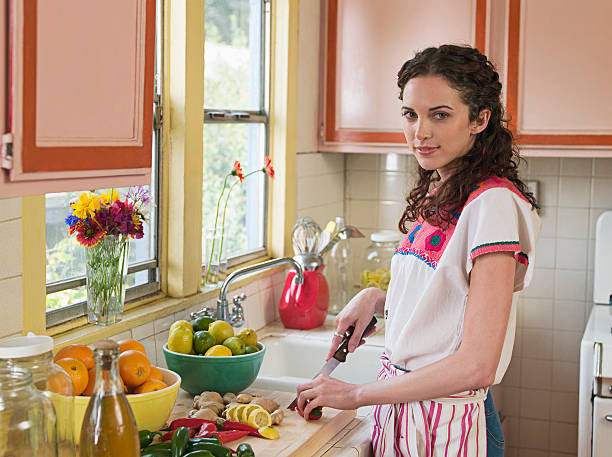
Cooking together is one of the best parts of being a couple. You chop, stir, taste, and talk. But when the food sits on the table, it is easy to keep eating past the point where you feel good. Part of building healthy habits as a team is portion control for two. One simple trick helps. Serve from the stove or counter, not the table. Then carry your plates to where you sit. That small move changes the meal.
Why does it work? When every bowl and pan is right in front of you, your hand reaches before your brain catches up. You finish your plate and scoop more without thinking. If the food stays in the kitchen, you have to stand up to get it. That tiny pause is enough to ask, “Am I still hungry?“ Sometimes yes. Sometimes no. Either way, you choose. It is not a rule. It is a setup that helps you both.
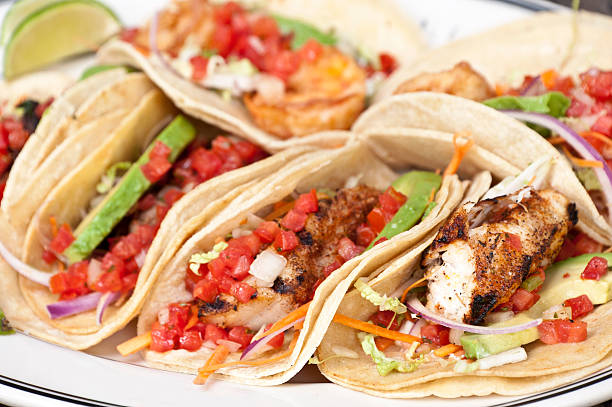
Start with smaller plates. A huge plate makes normal food look tiny. Use salad plates for dinner. Fill half with vegetables, one quarter with protein, and one quarter with rice, pasta, or potatoes. Do this side by side. One partner serves veggies. The other serves the main. This makes the meal a team project. It also helps you see you are eating a similar amount. If one person needs more, they can add a little later.
Measure when you cook. You do not need to weigh every bite. But it helps to know how much you make. For two people, a good start is two small chicken breasts, two cups of cooked rice, or four ounces of dry pasta. Add a big pile of veggies. If you cook a giant pot just because it is easy, you will likely eat a giant pot. Use a smaller pot. Make two servings plus one extra for lunch. Put the extra away before you sit. Then the kitchen is closed.
Set up a serving station. Put the pots on the stove. Put the plates on the counter. Serve one spoon of each thing. Then go sit. Talk. Eat slowly. After ten or twenty minutes, check in with your body. If you are still hungry, get a small second helping. This gives your stomach time to tell your brain the truth. It also gives you a moment to ask, “How is yours?“ or “Want more veggies?“ You are not watching each other. You are helping each other.
Try the one-plate rule. Each person gets one plate. No standing over the stove and picking. No grabbing bites while you cook. Those little bites add up fast. If you need to taste, use a small spoon and then wait. Or make a tiny cook’s plate to share. This keeps cooking fun and portions in check. It also cuts down on mess.
Do not make portion control about weight or blame. Make it about feeling good. When you eat a good amount, you have energy to walk, talk, or cuddle. When you overeat, you feel sleepy and grumpy. Portion control is a way to care for each other. It says, “I want you to feel good tonight.“ It also keeps one person from feeling watched. Use kind words. Say, “I am going to serve from the stove tonight. Want to join me?“ Do not say, “You are eating too much.“
If you want seconds, wait. Drink some water. Talk for a few minutes. If you are still hungry, take a small serving. This helps you learn your own hunger. You can ask each other, “Am I hungry, or am I just used to more?“ No shame either way. Some nights you need more. That is fine. The habit is the pause, not perfect math.
Make it a shared routine. Take turns serving. One cooks, one plates. You both decide how much. You both clean up. Over time, this becomes normal. You do not need to rely on willpower. You just need a setup that works for both of you. Portion control for two is not about eating less forever. It is about eating in a way that helps you feel good and enjoy each other. Serve from the stove. Use smaller plates. Wait before seconds. Talk. Laugh. If you slip, no big deal. The next meal is a new chance. You are building a healthy habit as a team, one dinner at a time.