Portion Control for Two Couples: How to Split a Recipe the Smart Way

First, understand that halving a recipe is not always as simple as dividing every number by two. Some ingredients need a little finesse. Eggs are a classic example. If a recipe calls for one egg and you halve it, you don’t want to crack half an eggshell into the bowl. But you can crack the egg into a small cup, whisk it until it is smooth, and then use about half of that liquid. The leftover half can go into scrambled eggs the next morning. It is a small trick that saves you from throwing away food or messing up your dish. When you do this together, one of you handles the egg while the other checks the next ingredient. That is teamwork in action.
Spices and seasonings are another place where simple division can let you down. If a recipe asks for a teaspoon of salt, half a teaspoon might be just right. But if it asks for a tablespoon of soy sauce, a half tablespoon is fine. However, you need to taste as you go. That is a perfect moment for both of you to take a tiny sample and agree if it needs more or less. You are training your taste buds together. That builds connection because you are paying attention to each other’s preferences. Maybe your partner likes a little more garlic. Maybe you prefer it mild. Cooking for two means you get to dial it in exactly how you both like it.
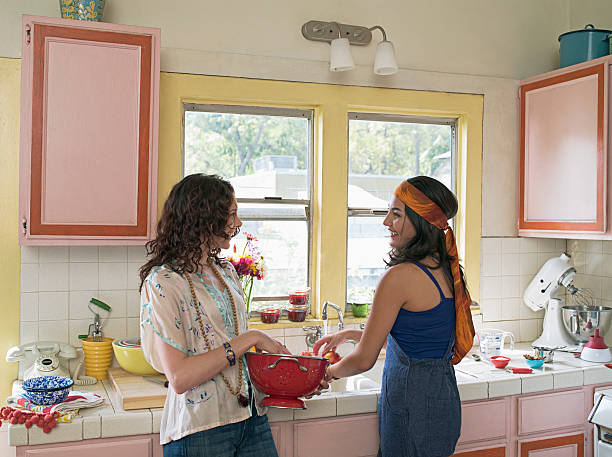
Now think about pans. A recipe that serves four often calls for a big pot or a 9x13 baking dish. When you cut the recipe in half, you also need to think about the pan size. A smaller dish helps the food cook evenly. For example, if you are making a casserole, use an 8x8 square dish instead of the big rectangle. If you are roasting vegetables, spread them on a quarter-sheet pan so they have room to brown instead of steaming each other. When you cook together, one of you can hunt through the cabinets for the right pan while the other preps the vegetables. It turns a boring task into a little adventure of “where did that small pan go?“
Portion control is really about not having too much food sitting in front of you. When you cook for two, you have a natural advantage. You can serve the food directly onto plates instead of putting a giant bowl on the table. That prevents the “I’ll just have one more scoop” trap. Plate it in the kitchen. You and your partner can hold both plates and carry them to the table together. It sounds simple, but that small ritual of presenting the meal side by side makes you feel like a real team. You made this meal. Now you get to enjoy it.
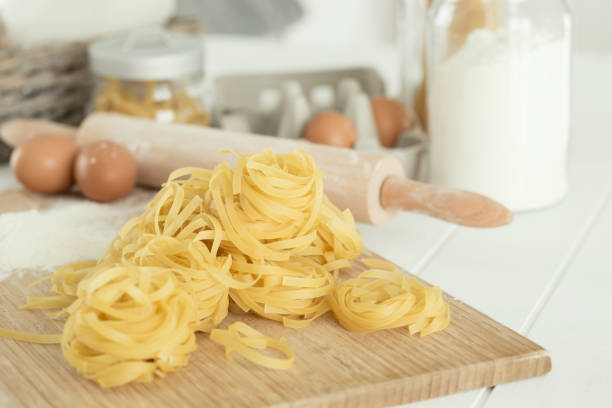
Another tip is to use your hands. Not for eating while cooking, but for measuring. A handful of pasta is usually a good single serving. A palm-sized piece of chicken is about right for one person. When you are slicing vegetables, you can lay them out on the cutting board and say, “That looks like enough for both of us.“ It makes portion control visual and instinctive instead of feeling like a math test. And it is way more fun to eyeball it together and compare guesses. You might be surprised who has a better eye for how much rice is too much.
Leftovers do not have to be a bad word. Splitting a recipe for two does not mean you can never have extras. In fact, planning for one extra serving can be smart. If the recipe is easy to reheat, make just a little extra and put it in a container right away before you sit down. That way you have lunch for the next day without the temptation to eat more than you need at dinner. You can even decide together who gets the leftovers for their lunch. That is a little act of thoughtfulness.
The biggest benefit of learning to split recipes as a couple is that you stop relying on takeout or prepackaged meals. You start to trust your own judgment. You get faster. You laugh about the time you forgot to halve the salt and had to eat salty soup. You learn what works for your two appetites. Over time, you will not even need to halve recipes. You will just know how to adjust on the fly. That is real confidence in the kitchen, and it comes from practicing together.
So next time you see a recipe that says it feeds four, do not scroll past. Grab your partner, decide if you want to halve it or make a little extra, and get cooking. You will end up with a meal that fits your plates and your relationship. And you will have had fun doing it.