Pick a short video from a chef you like, and watch it once before you touch a knife. Notice how the chef holds the knife, where the fingers go, and how the cutting board is set up. You are not trying to memorize everything. You are just getting your eyes used to the moves. Then watch it again with the video paused when you need to. A good video lets you slow down, rewind, and see the same small trick more than once. That is a big plus when you and your partner are learning together.
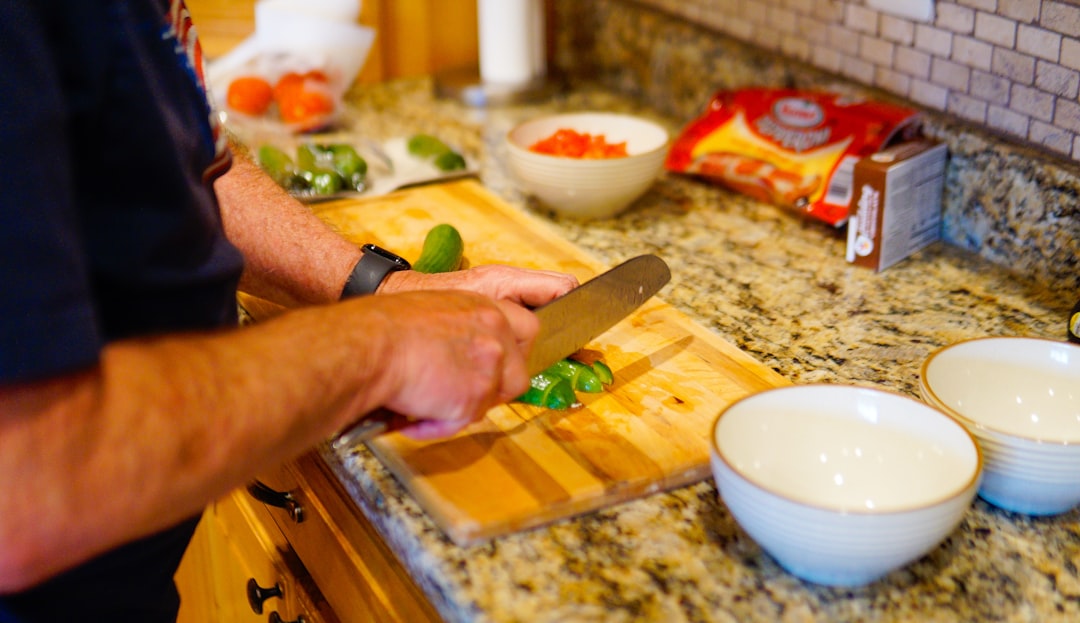
Set up your kitchen so it is easy to move. Clear the counter. Put a damp towel under the cutting board so it does not slide. Use the sharpest knife you have, because a dull knife makes you push too hard. Keep your hands dry. Put the video where you can see it without holding your phone. If you can, set out two cutting boards or one board and two bowls. That way you can take turns without bumping elbows. Simple setup makes the whole thing feel calmer and safer.
Start with soft foods. Cucumbers, zucchini, mushrooms, and bell peppers are good first picks. They are easier to cut than hard carrots. Watch the chef show the “claw” hand: curl your fingertips under and let your knuckles guide the knife. Watch how the knife tip stays on the board. Copy that slow, steady motion. Do not worry about speed. Speed comes later. Right now, you want safe hands and smooth cuts. If one of you feels unsure, stop the video and practice the hand shape without the knife first.
Take turns being the cutter and the helper. The helper can pause the video, read the next step, or move cut pieces into a bowl. Then swap. This keeps both of you involved and gives you a chance to learn the same skill. When you see your partner doing something well, say it out loud. “That cut looks even.” “Nice slow pace.” If you see a problem, ask a simple question instead of grabbing the knife. “Want to see how the chef turned the pepper?” That small choice keeps things friendly. You are on the same team, not in a contest.
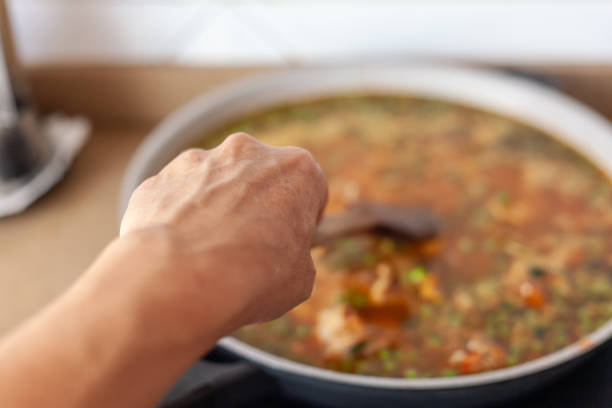
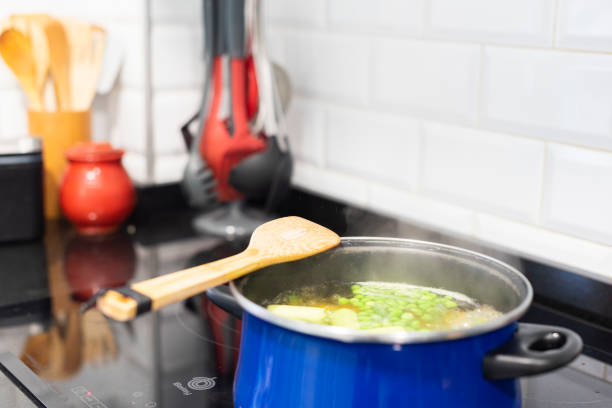
Choose one meal that uses what you cut. A stir-fry, soup, or big salad works well. After you finish cutting, cook the food together. This matters. The lesson moves from a video on a screen to a meal on your table. You can talk about which cuts were easy and which felt awkward. You can laugh about the uneven pieces. The point is not a perfect pile of vegetables. The point is that you tried something new side by side. That shared effort builds trust and closeness in a plain, everyday way.
Keep safety first. A sharp knife is safer than a dull one when you use it with care. Keep your fingers curled. Cut on a stable board. Do not rush. Do not cut while you are tired or upset. Keep the video short, maybe ten or twenty minutes. If you feel tense, put the knives down and finish the meal another way. You can always try again next week. Learning from a chef on video is meant to make cooking feel easier, not like a test you can fail.
Make it a small habit. Once a week, pick one short chef video and one simple skill. Watch, pause, practice, and cook. You do not need a fancy class or a big kitchen. You need a clear counter, a safe knife, and a little patience. Over time, you will both get faster and more sure. You will also build a nice rhythm: one of you pauses the video, the other checks the cut, and together you make dinner. That rhythm is the real win. Good knife skills help, but cooking as a team is what makes the kitchen feel like your place.