Keeping Your Seaweed Crisp: Solutions for Sogginess
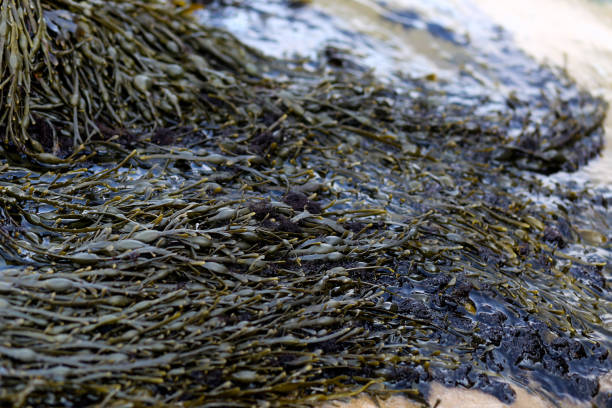
The first and most critical line of defense is an airtight storage container. The moment a package of dried seaweed is opened, it begins its silent absorption of ambient humidity. Leaving it in its original bag, loosely closed with a clip, is an invitation for moisture to seep in. Transferring your seaweed to a truly airtight vessel—such a glass jar with a rubber-sealed lid or a high-quality plastic container with a locking mechanism—creates a microclimate that locks out damp air. For added protection, especially in humid climates, consider including a food-safe desiccant packet inside the container. These small silica gel packs, often found in new electronics or shoe boxes, actively absorb any residual moisture that entered during the transfer, acting as a silent guardian of crispness. The storage location further supports this effort. A cool, dark pantry is superior to a countertop near a steamy kettle or a cabinet above the stove. Heat accelerates moisture exchange, and consistent, cool temperatures help maintain the seaweed’s dried state.
Handling the seaweed with intention during use is the second crucial step. The very process of preparing food can sabotage the texture you seek to preserve. When making sushi or hand rolls, work quickly and keep the nori sheets covered with a dry towel until the moment you are ready to use them. The steam rising from a bowl of freshly cooked rice or the ambient humidity from a pot of soup is enough to begin the wilting process. Similarly, if you are using toasted seaweed flakes as a garnish, do not sprinkle them over a steaming hot dish and then let it sit. Instead, add the seaweed as the final flourish just before serving, allowing it to retain its crisp contrast against the warm food beneath. This principle of separation extends to snacks as well; dipping crispy seaweed into a moist sauce must be an immediate action, not a prolonged soak.
Finally, acknowledging the inherent nature of certain seaweed products can set realistic expectations. While dried sheets and snacks are meant to be crisp, other preparations have different textural goals. Reconstituted seaweed for salads or soups, such as wakame, is supposed to become tender and silky upon contact with water. The sogginess here is the desired outcome. The key is to differentiate between these forms. For the crispy varieties, consider purchasing smaller, more frequently consumed packages if you are not a high-volume user. A large bag opened intermittently over months is far more likely to succumb to moisture than a smaller pack finished within a week. By aligning your purchasing habits with your consumption rate, you ensure each sheet or piece is enjoyed at its peak.
Ultimately, the fight against soggy seaweed is a manageable one, won not through complex gadgets but through simple, consistent practices. By imprisoning moisture in an airtight container, handling the seaweed with a swift and strategic touch during meal preparation, and purchasing mindfully, you can reliably preserve that essential, paper-thin crispness. The result is that every bite of your seaweed delivers the full sensory experience—a clean snap, a concentrated burst of the ocean’s essence, and the deep satisfaction of a ingredient perfectly preserved.