Keeping the Kitchen a Playground: The Art of Fun and Flavor
One of the most effective ways to cultivate playfulness is to experiment with abandon. This means giving yourself permission to deviate from the recipe. Follow that curious urge to add a pinch of smoked paprika to your chocolate chili or to swirl miso paste into your cookie dough. Treat recipes not as rigid commandments, but as inspirational maps from which you can happily wander. This spirit of experimentation extends to ingredients; dedicate an occasional shopping trip to selecting one completely unfamiliar fruit, vegetable, or spice. The mystery of its flavor and the challenge of how to use it instantly turns cooking into a game of discovery. When the outcome is uncertain, the process becomes inherently more engaging and lighthearted.
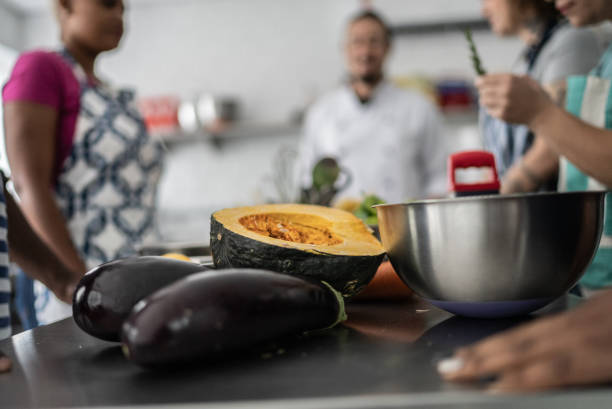
Playfulness also thrives on shared experiences. Invite others into your culinary playground, especially children or friends who may not consider themselves “cooks.“ Frame the activity as a collaborative project, not a solo performance. Make homemade pasta dough and delight in its strangely satisfying texture, or host a DIY pizza night with an array of quirky toppings. The shared laughter that comes from flour-dusted faces or a questionably shaped calzone is the true secret ingredient. Even dining can become playful with themed meals—a tropical luau in the dead of winter or a breakfast-for-dinner extravaganza—where the food is part of a larger, imaginative story.
Furthermore, we can engage our senses fully to reconnect with the innate joy of cooking. Listen to the satisfying sizzle when ingredients hit a hot pan, appreciate the vibrant crimson of a ripe tomato, and inhale the aromatic promise of sautéing garlic. Put on music that makes you want to dance between the stove and the sink. This sensory immersion turns the mechanical steps of chopping and stirring into a rhythmic, almost meditative, form of play. Even the tools we use can contribute; a brightly colored whisk or a set of fun-shaped cookie cutters can serve as visual reminders not to take things too seriously.
Crucially, keeping the kitchen fun requires a generous forgiveness for mistakes. A fallen cake or an over-salted soup is not a disaster; it is a learning anecdote, and often a surprisingly edible one. Play involves trial and error, and a kitchen free from the weight of judgment is a kitchen where creativity can soar. Celebrate the “happy accidents,“ like the accidental creation of a new flavor combination, and learn to laugh when things don’t go as planned. The goal is nourishment and enjoyment, not Michelin stars.
Ultimately, a playful kitchen is one where curiosity is the head chef and joy is the essential spice. It is a space where we are free to explore, create, connect, and sometimes make a glorious mess. By prioritizing discovery over perfection, collaboration over isolation, and sensory delight over robotic routine, we keep the flame of fun alive. In doing so, we do more than just prepare food; we craft experiences, strengthen bonds, and ensure that the heart of the home beats with a lively, infectious rhythm that nourishes both body and spirit.