How to Share a Meal Without Overeating: Simple Portion Tips for Two
Here’s a simple trick that works for almost any meal. Use a smaller plate. Yeah, it sounds too easy, but it actually works. When you both grab the same size plate, you naturally serve yourself less without feeling like you’re missing out. Your brain sees a full plate and thinks, “Great, that’s a whole meal.” But the plate is smaller, so the portions are smaller. Try it with dinner plates that are about nine inches across instead of the big twelve-inch ones. You’ll still feel satisfied, and nobody has to be the one who says, “Hey, maybe you’ve had enough.” You both just do it together.
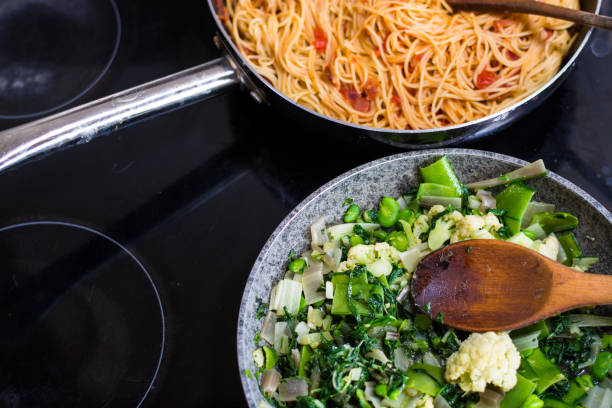
Another thing that helps is deciding the portions before you sit down. Instead of putting the whole pot of pasta on the table and letting everyone grab whatever they want, serve the food directly onto the plates in the kitchen. That way, you control how much goes on each plate, and you can make sure they match. If one of you wants a little more, you can add a bit, but it’s way harder to overdo it when the extra food isn’t staring at you from the bowl. Plus, it’s a nice act of care to serve your partner. You can say, “I got you this much, let me know if you want more,” and that keeps the conversation open without any pressure.
Some couples worry that eating less will leave them hungry later. That’s normal. But the trick is to fill up the rest of the plate with low-calorie stuff that still tastes good. For example, if you’re making chicken and rice, use a half cup of rice instead of a full cup, and double up on the roasted veggies. Your plate still looks full, you get more fiber and vitamins, and you don’t feel deprived. You can also add a side salad before the main meal. When you and your partner share a simple salad with a light dressing, it takes the edge off your hunger so you don’t gobble down the main dish too fast.
Speaking of eating fast, that’s another big one. When you’re cooking together, you’re already spending quality time. So why rush through the eating part? Set the table, light a candle, put on some music, and actually take your time. Chew each bite slowly. Talk about your day between bites. Put your forks down for a second. Studies show that it takes about twenty minutes for your stomach to tell your brain “I’m full.” If you both scarf down dinner in ten minutes, you’ll probably eat more than you need. So slow down together. That alone helps with portion control, and it makes the meal feel more romantic and connected.
Then there’s the leftovers game. Cook for two, but sometimes recipes are meant for four. That’s okay. Instead of trying to eat it all in one night, pack half of it away before you even start eating. Put it in containers for lunch the next day. That way, you’re not tempted to finish the pan just because it’s there. And you get to enjoy the meal twice, which feels like a treat. My partner and I do this with almost every dinner. We cook a big batch of chili or stir-fry, serve ourselves one plate each, and the rest goes straight into the fridge. No second helpings, no sneaking bites from the pot. It keeps our portions honest and saves time on busy weeknights.
One more tip that might sound silly but works: talk about how you feel after eating. Not in a judgmental way, just curious. You can say, “Hey, how’s your stomach feeling? I think I had just the right amount.” That opens up a conversation where you both can figure out what portion works for you. Everyone’s different. Maybe your partner needs a little more protein, and you need more carbs. You can adjust together. The point is, you’re a team. You’re not policing each other. You’re helping each other feel good.
So next time you’re standing in the kitchen, spatula in hand, remember this: portion control for two isn’t about deprivation. It’s about sharing a meal that leaves you both satisfied, not stuffed. Use smaller plates, serve from the kitchen, pile on the veggies, eat slowly, save leftovers, and check in with each other. That’s how you build a healthy habit as a couple that sticks. And honestly, it makes the cooking and eating part even more fun. You’re not just feeding your bodies. You’re feeding your relationship.
##