Cooking together can be fun until someone grabs a knife and everyone gets nervous. The good news is that knife skills are not magic. They are simple habits. You can learn them side by side. You can keep all your fingers. You can also grow closer while you do it. The trick is to slow down, set a few rules, and practice on easy foods first.
A sharp knife is safer than a dull one. That sounds weird, but it is true. A dull knife makes you push hard. When you push hard, the knife can slip. A sharp knife cuts with less force. So start by making sure your knife is sharp enough. If you are not sure, use a knife sharpener or ask someone who knows. Then keep the blade clean and dry. A clean knife is easier to control.
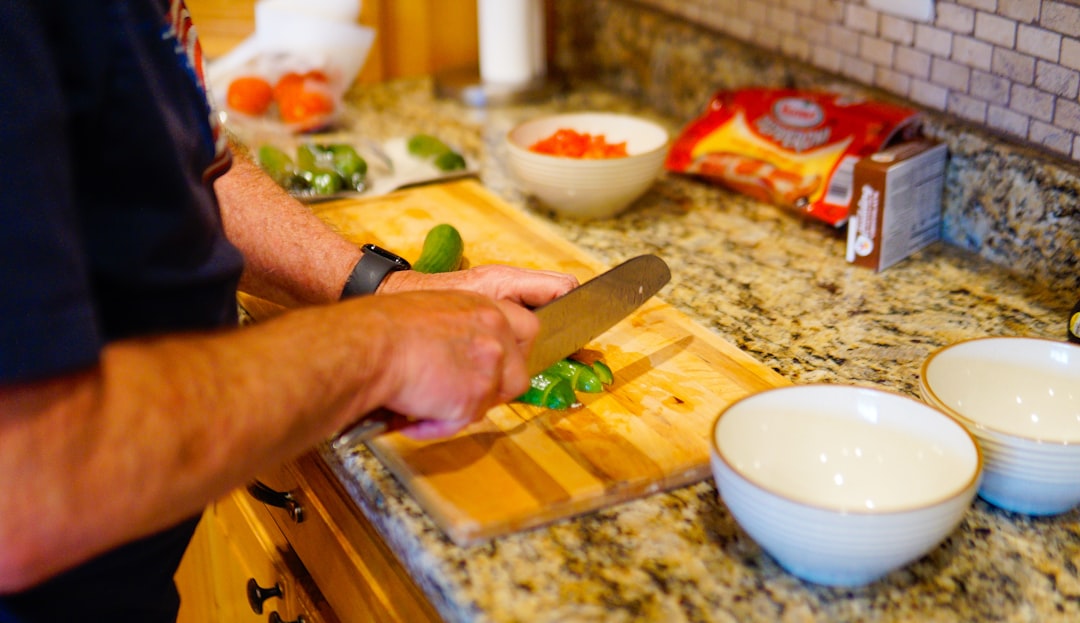
Next, set up your cutting board the right way. Put a damp towel under the board. This keeps it from sliding. A sliding board is a quick way to get a cut. Give yourself room. If you are working as a couple, do not crowd each other. One person can cut while the other person preps or watches. Then swap. The watcher is not doing nothing. The watcher is learning and keeping an eye out. You can say, “Your knuckles look good,“ or “Try going slower.“ Kind words help. Sharp orders do not.
Hold the knife with confidence, not with a death grip. Wrap your fingers around the handle. Put your index finger and thumb near the blade, if that feels safe. This gives you control. Keep the tip of the knife on the board. Let the knife rock forward and back. You do not need to lift the whole blade high in the air. Small moves are safer. Small moves are also easier to learn.
Now for the hand that holds the food. This is where the claw comes in. Curl your fingertips under, like you are making a loose fist. Your knuckles face the knife. The side of the blade rests against your knuckles. Your fingertips stay safe behind them. Move your hand back a little after each cut. The knife follows your knuckles. This feels strange at first. That is normal. Go slow. Speed comes later.
Use the flat-side trick for round foods. A tomato, potato, or cucumber can roll. A rolling food is a risky food. Cut a thin slice off one side. Then place the food flat on that cut side. Now it will not roll. You can cut it into even pieces. This one trick makes many meals safer. It also makes your pieces cook at the same rate. That means better dinners with less stress.
Start with soft foods. Mushrooms, zucchini, bananas, and cooked potatoes are good. They let the knife go through without a fight. Hard carrots and sweet potatoes can wait. When you feel steady, try onions. Cut them in half first. Put the flat side down. Then slice. Keep your claw hand steady. If you feel nervous, stop. Take a breath. Reset your board. There is no race.
Work as a team with clear jobs. One person can cut while the other stirs the pot. Or one person can cut half the pile, then you switch. This is not about who is faster. It is about learning together. It is about trust. When your partner hands you the knife, hand it back handle first. Say “knife” when you set it down. Say “behind you” when you walk past. These small words keep everyone safe. They also build a habit of care.
Mistakes will happen. You might cut uneven pieces. You might feel awkward. That is fine. Laugh about it. Fix what you can. Keep going. The goal is not a perfect dice. The goal is a safe kitchen and a good time together. A good knife skill is really a care skill. You care for the food. You care for your hands. You care for your partner.
So tonight, pick one easy vegetable. Put on some music. Take turns. Use the claw. Use the flat side. Go slow. Your fingers will thank you. Your dinner will taste better. And you will have learned something new side by side.