Cooking as a couple should be fun. But when one of you needs to eat gluten-free, dinner can feel like a puzzle. You may worry about making two meals or about cross-contact. You may worry your partner will feel left out. The good news is you can still make tasty food together. You just need a plan, patience, and a team mindset.
Start by talking about what gluten-free means for your home. Gluten is found in wheat, barley, and rye. Some people must avoid it for health reasons. Others feel better without it. If one of you has celiac disease or a serious allergy, even a tiny bit matters. If it is a choice, you may have more room. Either way, be clear with each other. Say what is safe and what is not. This helps you take it seriously without making it a fight.
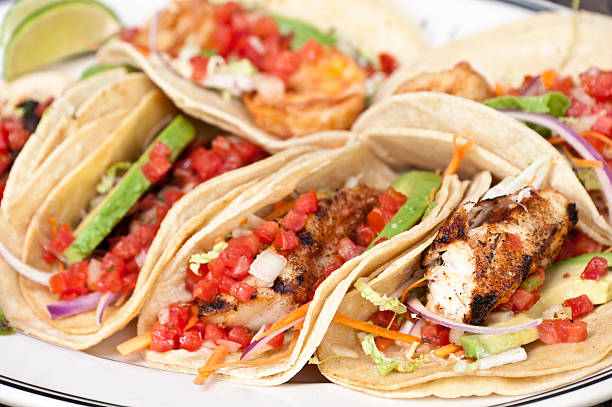
Next, pick recipes that are naturally gluten-free or easy to switch. You do not have to buy fancy mixes every week. Many meals already fit. Think rice bowls with chicken and veggies. Think tacos on corn tortillas. Think chili, egg dishes, potatoes, salads, and sheet-pan dinners. These are simple and filling. When you find a recipe you both like, save it. Make a short list of your best hits. Then busy nights are easier.
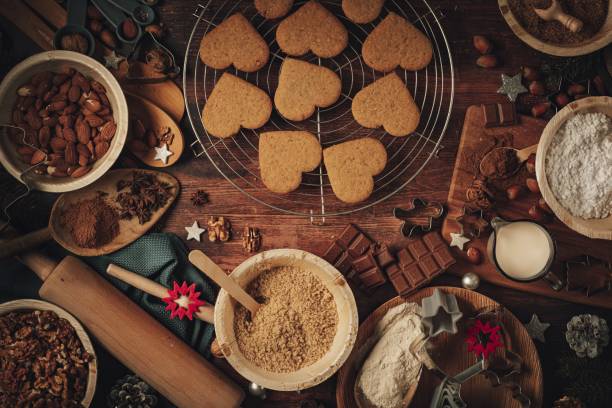
If a recipe uses pasta, bread, or soy sauce, look for a gluten-free swap. Gluten-free pasta works well in most dishes. Corn tortillas can replace flour ones. Tamari or coconut aminos can replace regular soy sauce. Gluten-free bread crumbs can replace regular crumbs. Sometimes the taste changes a little. That is okay. Taste it together and decide if you want a different brand next time. This is about finding what works for your team.
Cross-contact means gluten from one food touching the gluten-free food. It can happen with crumbs, spoons, or cutting boards. If this matters for your home, make a simple rule. Keep a small set of tools just for gluten-free cooking. Use a clean pan. Wash your hands before you touch the gluten-free plate. Do not use the same knife for regular bread and gluten-free bread. These steps are easy once they become a habit. They also show care.
One trap is making the gluten-free person feel like a problem. Do not say, “You are so hard to cook for.“ Instead, say, “Let’s find something we both like.“ Do not make their food separate and sad. Make the whole meal gluten-free when you can. If you want regular pasta, cook it in a different pot. Then everyone can share the same sauce and toppings. This keeps the meal feeling shared.
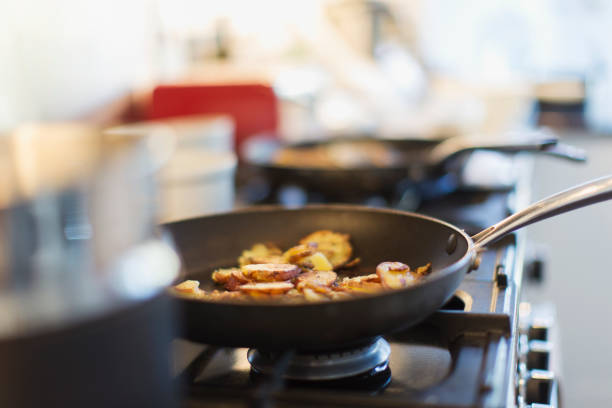
Another trap is letting one person do all the work. If one of you has the dietary need, the other can still help. They can read labels at the store. They can chop veggies. They can stir the pot. They can clean up. Cooking as a team means the job is shared. It also gives you time to talk. You might laugh about a messy counter. You might just enjoy being near each other after a long day.
Try new recipes on nights when you have extra time. Do not try a brand-new gluten-free dish when you are tired and hungry. Pick a Saturday or a slow Sunday. Read the recipe all the way through first. Check your pantry. Make a shopping list. Cook side by side. If it flops, order takeout and laugh. A bad recipe is not a bad night.
Over time, you will build meals that fit your needs and your taste. You will know which brands you trust and which recipes are fast. You will know how to keep gluten away from the gluten-free plate. This makes dinner less stressful. It also makes your home feel safer and more caring. Healthy habits as a team are about making room for each other.
So start small. Pick one meal this week. Choose a recipe that can work for both of you. Cook it together. Talk about what you liked and what you would change. Then do it again next week. With teamwork, gluten-free cooking can still be warm and fun. The best part is often the time you spend side by side.