How Cooking Together Can Strengthen Your Relationship and Reduce Stress
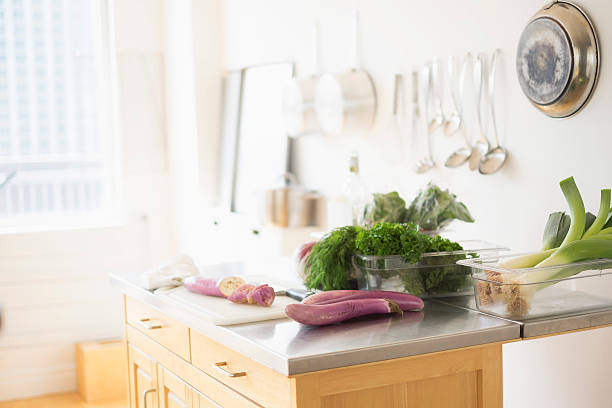
The kitchen, when approached with intention, transforms from a utilitarian space into a collaborative workshop for well-being. The very process demands a temporary disconnection from external pressures. Smartphones are set aside, the buzz of notifications fades, and focus narrows to the tangible world of chopping, stirring, and seasoning. This shift into a hands-on, physical activity is inherently grounding. The rhythmic sound of a knife on a cutting board, the soothing sizzle of onions in a pan, and the vibrant colors of fresh ingredients engage the senses in a way that pulls the mind away from cyclical worries. This sensory immersion acts as a form of mindfulness, anchoring both individuals in the present moment—a cornerstone of stress reduction. As they measure, taste, and adjust, the couple’s attention is united on a simple, achievable goal, creating a shared bubble of concentration that crowds out the day’s anxieties.
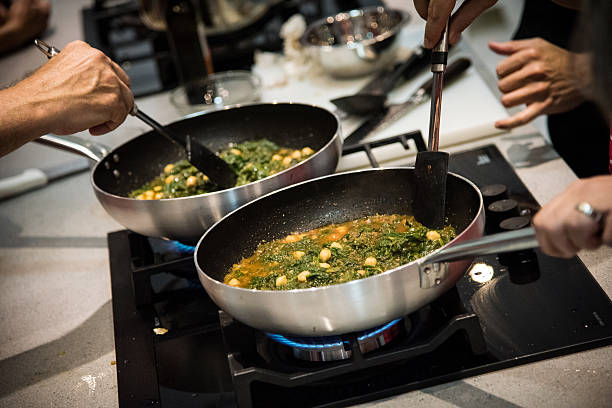
Moreover, cooking together fosters non-verbal communication and teamwork, rebuilding connection that stress can erode. A successful meal requires a subtle, often unspoken, dance of coordination—one person minds the simmering sauce while the other prepares the salad, a gentle touch on the arm to pass a needed utensil, a shared taste from the same spoon. These small acts of cooperation build a sense of being “in sync,” reinforcing the partnership dynamic. The collaborative effort to create something tangible and nourishing provides a powerful counter-narrative to feelings of helplessness that often accompany stress. There is an immediate and rewarding outcome: a delicious meal that is the direct result of their joint effort. This shared accomplishment, however simple, releases dopamine and fosters pride, replacing stressful inertia with a sense of efficacy and shared joy.
The act also provides a safe and organic space for conversation that differs from the pressured discussions often held across a dinner table. Side-by-side, rather than face-to-face, the environment often feels less confrontational and more open. As hands are busy, conversations can flow more naturally, drifting from lighthearted banter about a recipe to deeper discussions, all facilitated by the parallel activity. This can alleviate the pressure of “forced” communication, allowing connection to rebuild naturally. Furthermore, the creativity involved in cooking—experimenting with a new spice, plating a dish beautifully—allows for playful expression. Laughter over a spilled ingredient or the playful debate over garlic quantity introduces levity, a known stress reliever, reminding the couple of their friendship and capacity for joy within the relationship.
Finally, the ritual culminates in the act of sharing the meal they created. This transforms eating from a routine into a celebration of their collaboration. The nourishment is twofold: physical sustenance from the food and emotional sustenance from the shared experience of its creation. Sitting down to enjoy the fruits of their labor extends the calm, connected state forged in the kitchen, allowing the couple to savor not just the flavors but also the reinforced bond. In a world that constantly pulls partners in separate directions, cooking together is a deliberate act of reunion. It turns the necessity of a meal into an opportunity to decompress, communicate, and co-create. By engaging the senses, fostering teamwork, and nurturing through nourishment, the shared kitchen becomes a potent sanctuary where stress is not just discussed but actively melted away, one collaborative meal at a time.