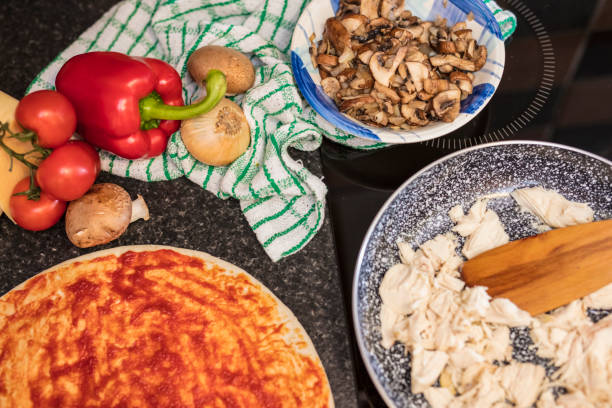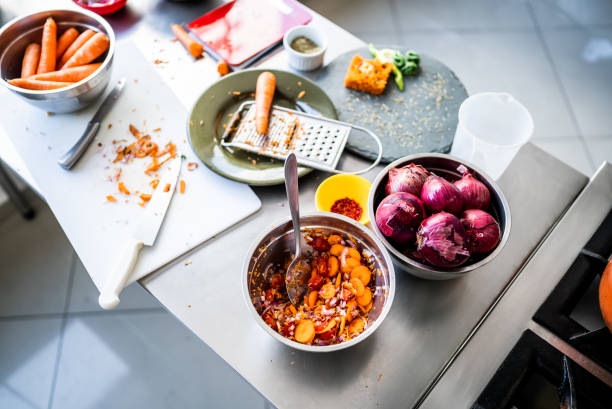
Cooking together is more fun when you both can eat the same meal. But dietary needs can make recipe hunting feel tricky. Maybe one of you can’t have dairy. Maybe one of you needs less salt. Maybe one of you has a food allergy, eats gluten-free, or follows a vegetarian plan. Whatever the reason, the goal is not to make two separate dinners every night. The goal is to find recipes that work for both of you and still taste good. That takes a little teamwork, but it can actually make cooking together feel closer and easier.
Start by talking about what each of you needs and wants. Be clear about the serious stuff first. If one of you has a food allergy, that food needs to stay out of the kitchen or be handled very carefully. If one of you has celiac disease, cross-contact matters. If one of you is watching sodium or sugar for health reasons, say that out loud. Then talk about what you both love to eat. A recipe that fits your needs but tastes like cardboard won’t last. Write down the foods you need to avoid and the foods you both enjoy. Keep that note on your phone or on the fridge. It saves time and stops the same questions from coming up again and again.
Next, look for flexible recipes. These are recipes that can bend a little without falling apart. Tacos, grain bowls, sheet pan dinners, stir-fries, soups, and pasta dishes are often good choices. You can make one base and let each person add their own toppings or sides. For example, you can use corn tortillas instead of flour tortillas. You can set out dairy-free cheese or skip cheese on one plate. You can use a low-sodium sauce and add extra herbs or lemon for flavor. The key is to check every ingredient before you cook. Don’t assume a recipe is safe just because the name sounds plain. Read the labels on cans, jars, boxes, and bags. If a food allergy is involved, check labels every time, because products can change.
Use simple search words when you look for recipes. Try adding words like dairy-free, gluten-free, low-sodium, nut-free, or vegetarian to the meal idea you want. Read the recipe all the way through before you shop. Look at the comments too, but don’t trust them blindly. For allergy safety, use trusted sources and check the package labels yourself. Pick recipes with fewer ingredients when you are trying something new. Fewer ingredients means fewer surprises. Try new recipes on a calm night, not when you are hungry and rushed. After you cook, write down what worked. Keep a shared note called “We love this” and add the recipes you both want again. That small habit saves you from starting over every week.
Shopping and prep are part of the team job too. Check your pantry before you leave. Make a list together. Shop together if you can. Read labels side by side. At home, keep safe foods separate from unsafe foods. Clean counters, cutting boards, and knives well. If one of you has a serious allergy, use separate tools for that person’s food. This is not about one person being bossy. It is about keeping both of you safe and comfortable. The person with the dietary need knows their body best, so listen to them. But the other person can still help by reading labels, planning meals, and cleaning up.
Keep the fun in it. Dietary needs can feel like a list of no’s, so focus on the yes’s. Find flavors you both like, such as garlic, cumin, lemon, basil, or smoked paprika. Try one new recipe each week and rate it together. Keep the winners. Let go of the flops. Don’t force anyone to eat something they don’t like just because it is “healthy.” A meal you both enjoy is more likely to become a habit. When you plan, shop, and cook as a team, you build trust. You learn to listen. You learn to share the work. And you end up with a meal that fits your needs and feels good to eat together.
Finding recipes for your dietary needs is not about being perfect. It is about being clear, flexible, and willing to check the details. Start small this week. Make a shared note. Pick one flexible recipe. Read the labels together. Cook it together. Then sit down and enjoy what you made. That is a healthy habit you can build as a team, one meal at a time.