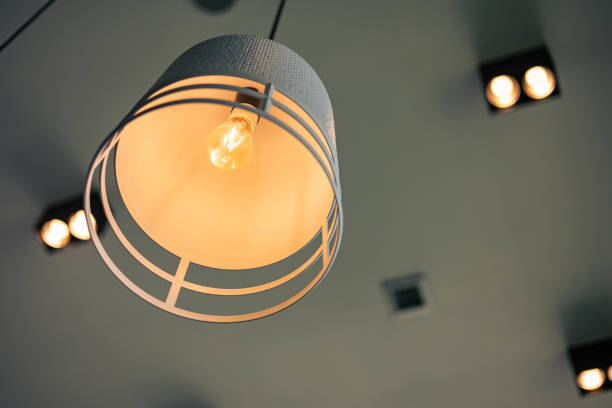
A bright kitchen can make cooking together feel like a task. The overhead light is on. The room is white and loud. You are chopping, your partner is stirring, and the whole thing feels like a race to get dinner done. That is fine for busy nights, but it is not a great setup for a date at home. You can change the whole mood with one simple move: dim the lights and light a few candles. It sounds small, but it changes how you stand, talk, and work together while you cook.
Start by turning off the big overhead light. That light is useful when you need to clean or find a lost lid, but it is harsh for a night of cooking together. Use a lamp in the corner, a light over the stove, or a small lamp on the counter. You want enough light to see your hands and the food, but not so much that the room feels like a office. If you have a dimmer, bring it down low. If you do not, use fewer lights. A string of small lights can also work well. The goal is soft light that helps you slow down and look at each other instead of the whole room.
Candles add a warm glow and a clear signal that this is not just another chore. Put one or two candles on the table where you will eat, or on a safe counter away from the stove. Keep them away from paper towels, curtains, and anything that can catch fire. Never leave candles burning when you leave the room. If you have young kids or pets, or if you are worried about fire, use battery candles. They look warm and you do not have to think about them. Unscented candles are a good choice when you are cooking because you want to smell the food, not a strong flower smell. A simple candle with no scent or a light food smell works best.
The light changes the pace. When the room is dim, you are less likely to rush. You talk a little slower. You might stand closer while you wait for water to boil. You may pass a spoon and touch hands. You may laugh about a small mistake instead of feeling annoyed. The low light makes the kitchen feel smaller and safer. It also makes you less worried about how you look or how messy the counter is. You can focus on the person next to you and the meal you are making together.
Try a simple setup before you start. Turn off the overhead light. Turn on one lamp. Put two candles on the table and light them. Set out the things you need so you are not searching in the dark. Keep a clear path to the sink and stove. If you need more light for cutting, use a small light over the cutting board. You do not need a perfect room. You just need a warm spot where you can stand together. A candle on the table can make a simple pasta dinner feel special. It can make leftovers feel like a plan instead of a fallback.
You can also match the light to the food. For a quick weeknight meal, one candle and a small lamp are enough. For a slow weekend dinner, use a few candles and turn off every harsh light. If you are cooking something that needs watching, keep the stove light on. You can still have soft light around you. The point is not to cook in the dark. The point is to make the room feel calm and close.
Dimming the lights and lighting candles is a small act, but it tells your partner that this time matters. It says, “Let’s be here together.“ You are not just making food. You are making a space where you can talk, work as a team, and enjoy the person beside you. Try it on your next cooking night. Turn off the big light, light one candle, and see how the room changes. A softer kitchen can help you build a stronger connection, one meal at a time.