You two are standing in the kitchen, the recipe book open on the counter. She points to a line that says “fold in the cheese” and looks at you with a confused face. He shrugs because folding cheese sounds like laundry, not cooking. Sound familiar? Don’t worry, every couple hits this moment. The truth is, recipes are like a secret code. Once you learn to crack that code together, you will cook better, laugh more, and feel even closer. So let’s get started on reading any recipe like a team.
First, let’s talk about all those little letters and weird words. When you see tsp, that means teaspoon. Tbsp means tablespoon. A capital C means cup, and oz means ounce. These are the building blocks of a recipe. But here is the trick that most people miss: a teaspoon is tiny, while a tablespoon is three times bigger. If you mix them up, your food might still be edible, but it could be super salty or way too sweet. So when you read a recipe out loud together, call out the full word first. Say “one tablespoon of butter” even if the recipe just says “1 tbsp.“ This simple habit stops silly mistakes and makes you both feel like pros.
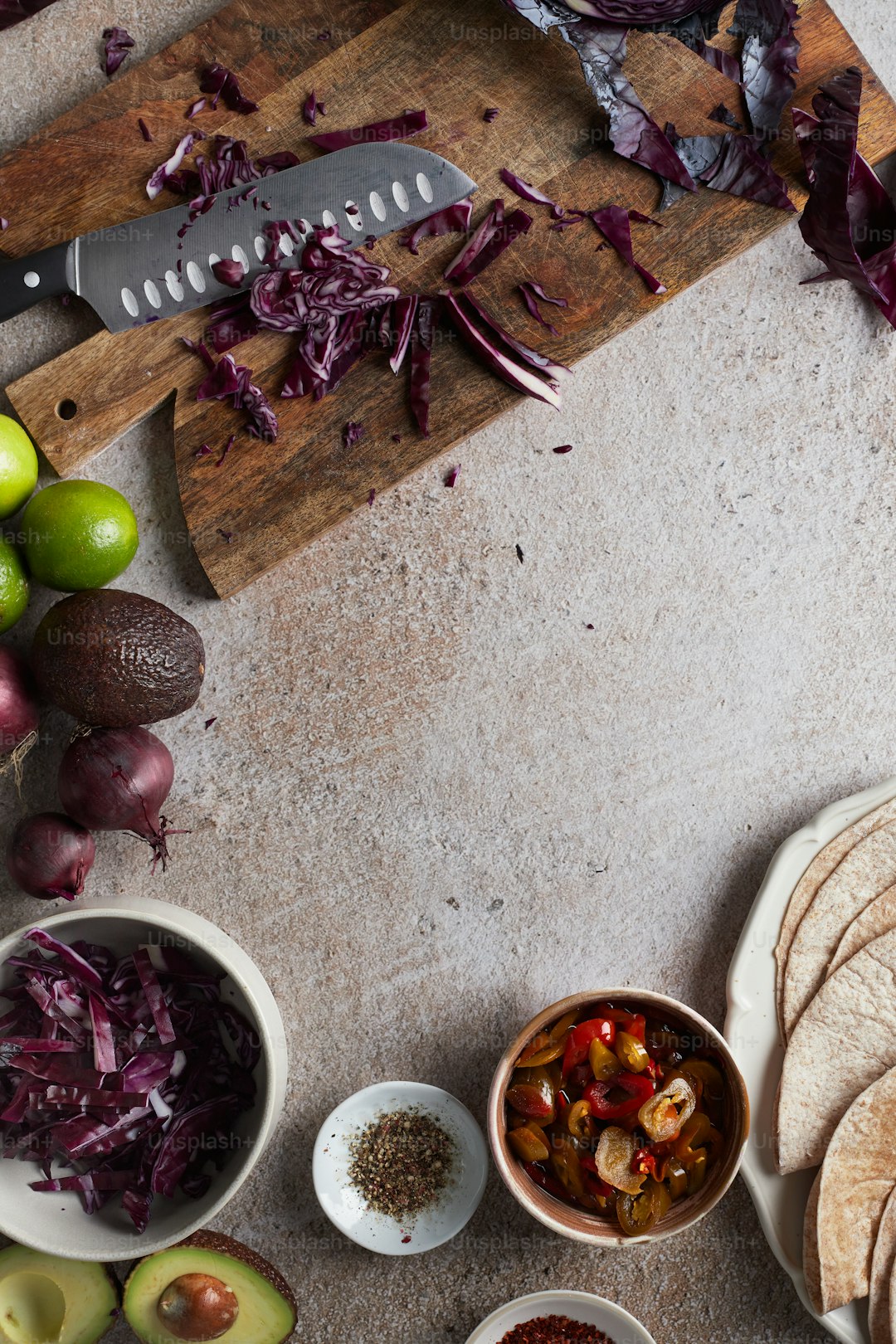
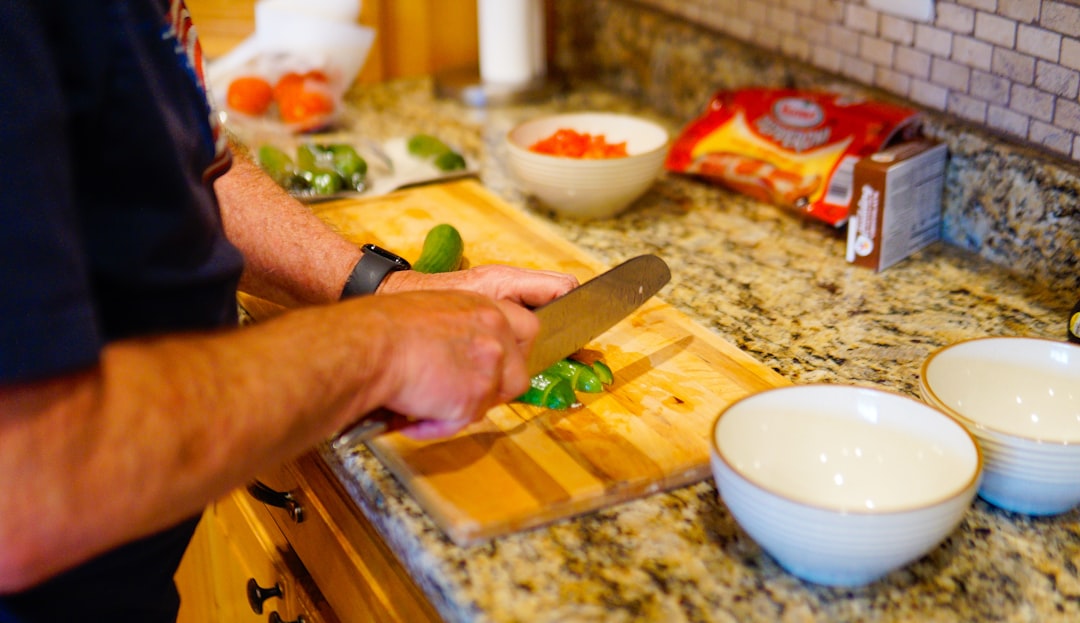
Now, what about words like “dice,“ “chop,“ and “mince”? These describe how small to cut things. A dice is about the size of a die from a board game. A chop is a little bigger, like your pinky nail. Mince means super tiny, almost like dust. Next time you read a recipe, take a second to imagine the size in your head. Then talk it out. Say something like “Hey, this needs small diced onions, not chunky ones.“ That’s the kind of communication that saves dinner and helps your relationship. You are not just cooking food, you are practicing paying attention to each other.
Another big piece of reading a recipe is understanding the steps in order. Some people read a recipe like a boring list, but for couples, it is a map. Where are you going? What do you need first? A great way to work together is to read the whole recipe from start to finish before you touch a single ingredient. Yes, the entire thing. Most mistakes happen because one person starts cooking right away and then realizes they needed something that has to sit in the fridge for two hours. When you read the whole recipe first, you can talk about who does what. Maybe she reads the steps out loud while he measures the dry ingredients. Or you trade jobs halfway through. This back-and-forth rhythm makes the cooking feel like a fun dance, not a chore.
Pay attention to the little words that change everything. Words like “preheat” mean turn the oven on before you start, because ovens take time to get hot. The word “rest” means your meat or dough needs a break, kind of like you two after a long day. “Fold” means a gentle stirring motion, using a spatula to lift and turn the mixture slowly. You are not beating it like a drum. You are tucking it in like a cozy blanket. When a recipe says “season to taste,“ that is your signal to both take a tiny sample and talk about what it needs. Does it need a pinch more salt? A little pepper? This is teamwork at its finest.
Here is a fun trick that many couples love. Before you start cooking, each of you picks one mystery word from the recipe. Then you each guess what it means before looking it up. If you are right, you get to be the lead chef for that step. If you are wrong, you do the dishes. This turns recipe reading into a playful game. It also makes you slow down and really see what the recipe is telling you. No skipping ahead, no guessing wildly. Just two people learning side by side.
The best part about learning to read a recipe together is that you are also learning to read each other. When you patiently explain what “simmer” means, you are showing care. When you ask “What do you think about this baking time?“ you are showing respect. Recipes are just instructions, but your relationship gives them life. So the next time you pull out a new recipe, take a deep breath. Read it slowly. Talk about each ingredient and each step. Laugh when you mess up. Cheer when you get it right. That is what cooking together is all about. And that is how you turn a simple page of instructions into a memory you will both smile about later.
So grab a recipe, grab your partner, and start decoding. You have got this, and you have got each other.