The overhead light is the enemy of a cozy kitchen. It is bright, flat, and a little harsh. It makes your kitchen look like a place to clean up, not a place to slow down. So start your next night of cooking together by turning it off. Then turn on one small lamp in the corner or under a cabinet. You will feel the room change right away. Voices get softer. The counter feels more like a place to hang out. That small change is the first step to setting the mood.
Candles do the rest. You do not need a dozen. Two or three unscented candles are enough. Place them where you can see them but where they will not get in the way. A candle on the table, one on the counter away from the stove, and one on a shelf can make the whole room glow. Keep them away from paper towels, curtains, and anything that can catch fire. Never leave a candle alone. If you have kids or pets, use a candle holder with a wide base or choose a flameless candle. The goal is a warm light, not a risky one.
Dim light changes how you talk. When the room is bright, you look at the food, the dishes, the mess. When the room is soft, you look at each other. You have to lean in a little. You have to pay attention. That is good. It slows you down. You may find that you talk about your day instead of just saying “pass the salt.“ You may laugh more. You may stand closer at the counter. None of that is fancy. It is just what happens when the room asks you to be a little quieter and a little more present. That sounds simple, and it is. But simple things get lost when everyone is busy. Soft light helps you find them again.
Keep one small light for real work. Chopping onions by candlelight sounds sweet until you cut your finger. Use a small task light over the cutting board, or turn on the light under the microwave for a few minutes. Then turn it off when you sit down. You want safe cooking with a soft room. That balance is the whole trick. Bright where your hands are, dim where your faces are.
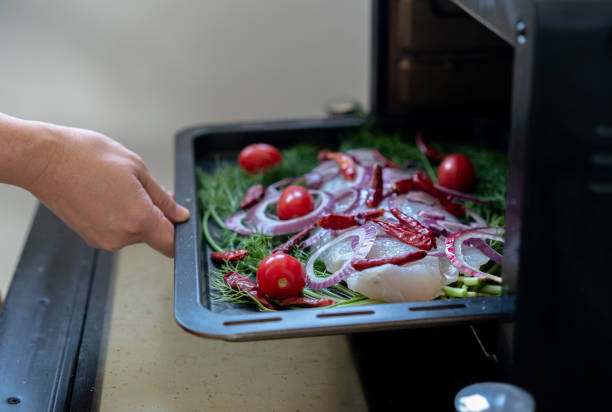
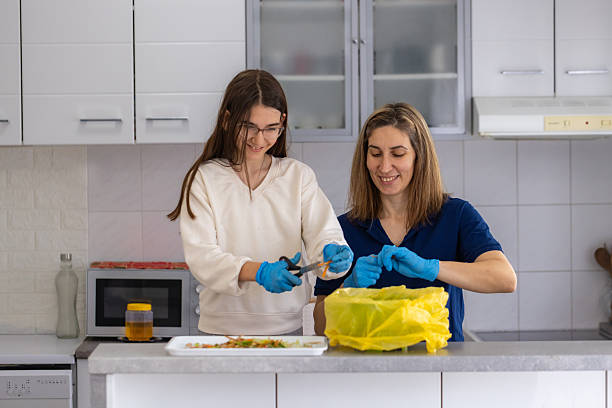
Pick a meal that does not need you to rush. A simple pasta, a tray of vegetables, or a pot of soup works well. The point is not to make a perfect dinner. The point is to make it together. One person can stir while the other sets the table. One person can light the candles while the other fills the glasses. You can put on music, but keep it low. You can put your phone in another room. That one move does more for closeness than any fancy table setting.
Candles also give you a natural pause. When you sit down, blow one out if it is too tall, or just watch it for a second. Take a breath. Look at the person across from you. Say one true thing about the day. It can be small. “I missed this” is enough. “I am glad we are doing this” is enough. You do not have to say anything big. Small words land better in a quiet room. The light does not create the feeling. It just gives you room to notice it.
If you want to make this a habit, keep a box with two candles, a lighter, and a small cloth napkin. Put it where you can grab it without a search. A dimmer switch is a nice extra, but it is not required. A lamp on a low setting and a couple of candles will do. The best kitchen nights are not the ones with the most stuff. They are the ones where you both show up, turn down the noise, and cook side by side. You can do this on a Tuesday. You do not need a holiday or a reason. Dim the lights. Light the candles. Let the room get quiet. Then let the cooking bring you closer.