Can Cooking Together Really Reduce Our Stress?
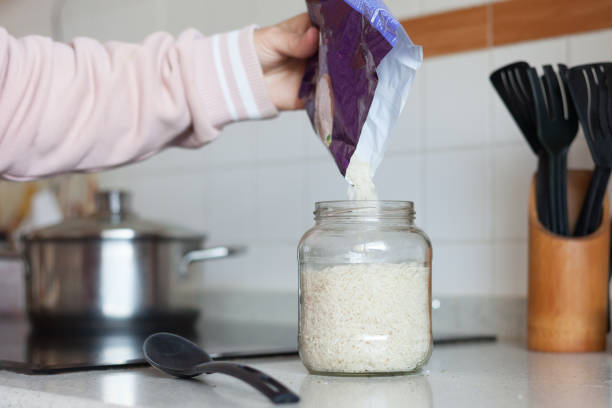
Think about what actually happens when you stand side by side at the counter. You pull out a cutting board and a pile of bright, crunchy vegetables, and you start to chop. There’s a steady rhythm to it, a soft thump-thump-thump that gives your brain something simple to hold onto. Instead of replaying a stressful conversation or worrying about tomorrow, your focus narrows down to the carrot slice in front of you. You notice the fresh, earthy smell, the cool feel of it in your hand, the sound of the knife hitting the wood. Your partner is right there doing the same thing. You don’t even have to talk much at first. You are just two people breathing the same warm, garlicky air, moving in a little dance around each other. This kind of repeat motion, like stirring a pot or kneading dough, gently nudges your nervous system to settle down. Your heart rate slows. Your thoughts quiet. It is like your body remembers that in this moment, right now, everything is okay.
Cooking also flips a switch in our brains when we do it together. When you are tense or worried, your body can be flooded with stress chemicals that make you feel on edge. But when you share a laugh because the pasta water boiled over in a ridiculous foamy volcano, your brain sends out a wave of feel-good messengers. These natural mood lifters start to wash the tension away. And here is the really lovely part: anytime you and your partner touch—maybe your hands bump when you both reach for the salt, or you place a gentle hand on their back as you slide past them to the stove—your body releases something special. It’s a bonding chemical that makes you feel warm, safe, and connected. It’s the same feeling you get from a long hug. So all those tiny bits of teamwork and clumsy moments are actually weaving a safety net right around the two of you, softening the sharp edges of a rough day.
One of the biggest reasons cooking together melts away stress is that it turns your attention completely around. Stress usually lives in the past or the future, in things we can’t change or can’t control. But a recipe happens right now. You have to smell the onions turning sweet in the pan. You have to taste the sauce and decide if it needs a pinch more oregano. You are building something with your own hands, something that will nourish both of you. That sense of purpose, even in something as small as tossing a salad, pushes worries into the background. You can’t ruminate about an email when you are high-fiving over a perfectly flipped pancake. And unlike scrolling on your phone or watching TV, cooking gives you a real, edible reward at the end. Sitting down to a meal you created together brings a quiet but powerful feeling of pride. You look at each other and think, “We did that.” That simple moment of shared success is a powerful answer to stress because it reminds you that you are a capable team.
It also helps that a kitchen is a playground for your senses, and curious senses are a fast track out of a worried mind. Fresh basil smells like summer. A sizzling skillet sings a cozy song. Dough feels squishy and alive under your palms. Even the bright red of a bell pepper or the deep purple of an eggplant can lift your spirits. When you cook with your partner, you share these tiny joys. You lean in and breathe the steam from a soup pot together. You offer a spoonful and watch their eyes light up. These small sensory gifts pull you both into the present, anchoring you to the good stuff that is happening inside your home, not the chaos outside it.
Many people worry that cooking together might cause more stress, especially if one person is a little messy and the other likes things just so. But here’s the secret: the kitchen doesn’t need to be a place of perfection. In fact, it’s the little blunders that often bring you closer. When the sauce splatters on the ceiling or the cookies come out looking like wobbly potatoes, you have a choice. You can get frustrated, or you can burst out laughing together. Laughter is one of the strongest stress medicines we have. It loosens tight muscles and clears heavy feelings almost instantly. So give each other permission to make a mess, to taste something weird, to forget a step. That gentle attitude turns cooking from a performance into a safe space, where you can be yourselves without any pressure to be impressive.
There is no right way to start. Some evenings you might put on your favorite playlist and dance badly with a wooden spoon as your microphone while the water boils. Other nights you might stand quietly side by side, simply happy not to be alone. The magic is in the shared time, the eye contact over the steam, the “here, taste this” moments. By carving out this pocket of togetherness, you give your relationship—and your nervous system—a chance to reset. You step out of the role of a stressed-out adult and just become two people making something tasty. So yes, cooking together can really reduce our stress. It swaps loneliness for partnership and worry for warmth. The next time your day feels heavy, try reaching for an apron instead of the remote. The simple act of making a meal with the person you love might be the calmest, kindest thing you do all day.