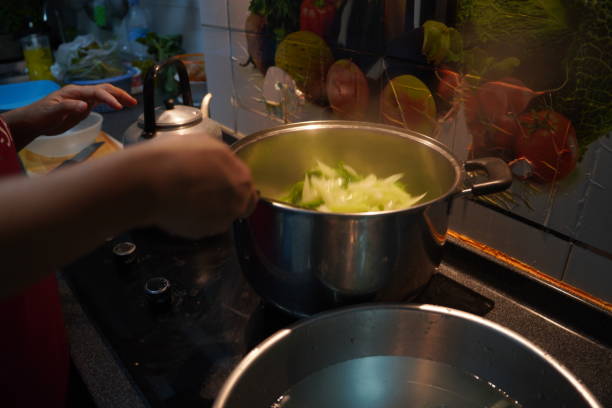
When you and your partner decide to cook together more often, one thing can feel like a big roadblock: what if you both need to eat differently? Maybe one of you is watching salt for blood pressure, or the other can’t eat gluten. Maybe one is trying to eat more plants, and the other really wants chicken. It’s easy to feel like you’re stuck making two separate meals every night. But that’s not true. You can actually take the recipes you both already love and change them just a little so they work for both of you. The secret is to think like a team, not like two picky eaters.
First, have a real conversation about what you need. Sit down together, maybe with a snack, and talk honestly about your food rules. Not the complicated stuff, just simple things like “I feel better when I don’t eat dairy” or “My doctor said I need less sugar.” Don’t judge each other. This is about helping one another feel good. When you both know the real reasons behind the choices, you stop seeing the other person as difficult. You see them as someone you care about. That simple talk can turn a frustrating topic into a way you actually get closer.
Once you know each other’s needs, pick a recipe you both already enjoy. It could be spaghetti with meat sauce, tacos, or a stir-fry. Then look at the main parts. Most recipes have a base, like pasta or rice, a protein, like meat or beans, and toppings or sauces. The trick is to keep the base flexible. For example, make spaghetti, but cook two kinds of noodles: one regular and one gluten-free. Or use a mix of half regular and half veggie noodles. You boil them in the same pot with a divider or just two pots quickly. Same for tacos. Set out small bowls of different fillings, like seasoned beef, black beans, cheese, and lettuce. Each person builds their own. You’re still cooking together, but nobody feels left out.
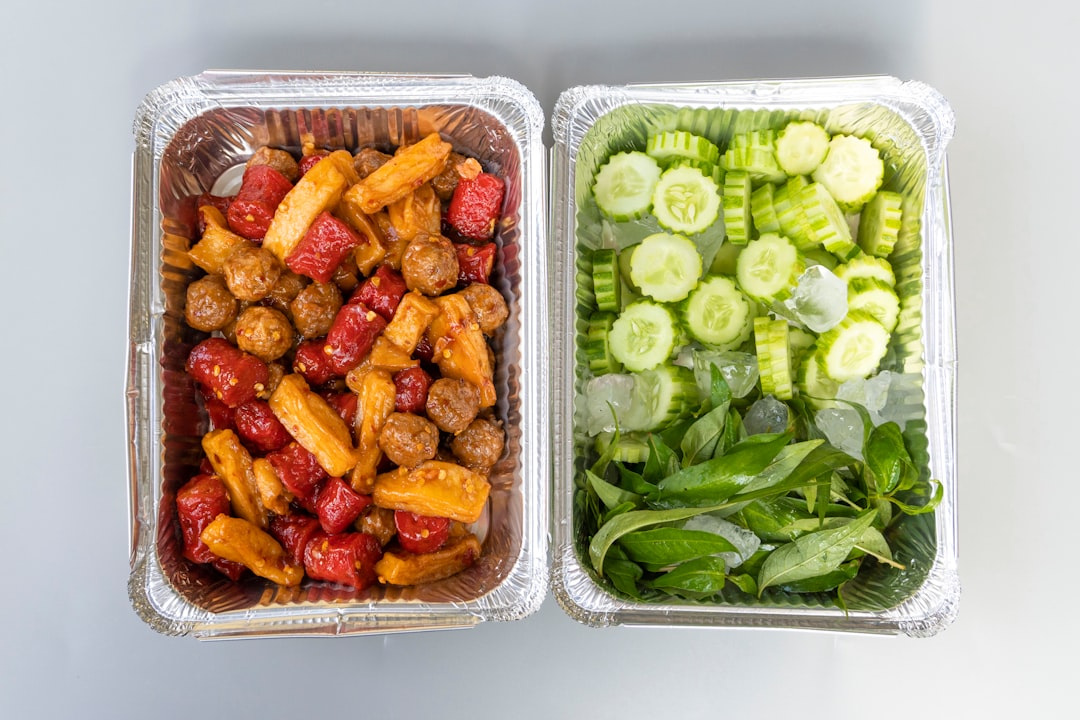
Another big idea is to make one simple meal and add different extras. Say you both love baked potatoes. You can bake a big batch. Then one of you adds chili, cheese, and sour cream, while the other adds steamed broccoli and a little olive oil. Same potato, different plates. You both get what you need, and you still share the experience of cooking and eating side by side. This works for so many foods. Rice bowls with different proteins? Yes. Salads with different dressing? For sure. Even pizza. Make one big crust, then split the toppings on one side for you and the other side for them. It’s fun to look at the two halves and say, “Look, that’s you, that’s me.”
Now, about the actual cooking. When you’re adapting a recipe, don’t try to be perfect. You might not know how much salt to leave out or what to swap for eggs. That’s okay. Start with small changes. Use low-sodium broth instead of regular. Try Greek yogurt instead of sour cream. If a recipe calls for butter, use olive oil for one half. You’ll mess up sometimes. A sauce might be too thin or a muffin might not rise. That’s not failure. That’s learning together. Laugh about it. Taste each other’s version. You might even discover a new favorite way that you never expected.
The most important part is to keep the focus on connection, not rules. You are not a waitress and a customer at a diner. You’re partners. So instead of saying, “I can’t eat that,” say, “What could we switch so we both can eat this?” That one question changes everything. It makes the problem something you solve together, not a fight you have at dinnertime. And when you work as a team, you build trust. You learn to listen. You learn to compromise. That goes way beyond food. It helps you with everything else in life, like money, chores, and family plans.
Also, think about the pleasure of cooking. The smell of garlic in the pan, the sound of sizzling, the way you bump hips when you reach for the same spoon. That all stays, even when you’re making separate diets work. You can chop vegetables together, talk about your day, and taste as you go. The food matters, but the time matters more. When you finally sit down to eat, even if your plates look different, you’re sharing the same table, the same moment, the same effort. That’s what makes a stronger relationship.
So don’t give up on your favorite recipes just because your needs have changed. Change the recipes instead. Keep them familiar and delicious, but make them yours. You don’t need to follow every rule exactly. You need to follow love. Cook together, adapt together, and enjoy every bite. Because healthy habits aren’t about being perfect. They’re about showing up for each other, meal after meal, and making it work.